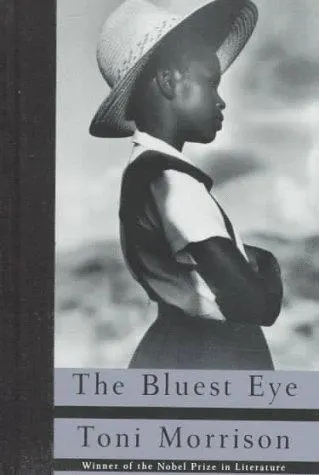
Books like The Bluest Eye
The Bluest Eye feels like being held inside language of astonishing beauty while watching beauty itself become a weapon. Its fractured voices make private suffering inseparable from a community’s stories, silences, and inherited judgments. These novels share that moral and imaginative force.
If you liked The Bluest Eye, you’ll love these
Not lookalikes — kindred books. Each one shares something essential with The Bluest Eye, and we tell you exactly what.
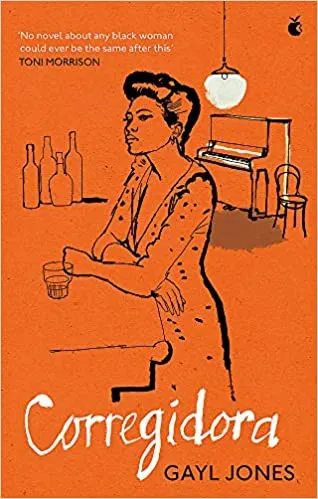
Toni Morrison herself edited Gayl Jones’s incendiary debut, and its kinship with The Bluest Eye runs deep: both novels show history entering the body, shaping desire, self-perception, and the stories women tell about themselves.
Ursa Corregidora, a blues singer, belongs to a family charged with preserving the memory of enslavement and sexual violence. Jones builds her consciousness through refrains, arguments, remembered voices, and the pressured music of speech. The result is not simply a trauma narrative but a ferocious inquiry into what testimony costs—and whether an identity formed around suffering can become free of it. Corregidora is now regarded as a foundational work of Black feminist fiction, yet it still feels dangerous and startlingly alive. Anyone captivated by Morrison’s ability to make language both wound and witness should not miss it.
Roy’s Booker Prize–winning novel has the same uncanny ability to filter adult cruelty through children’s alert, inventive minds. In Kerala, twins Estha and Rahel inhabit a world of family rules, caste prohibitions, political tensions, and words whose sounds they turn over like bright objects. From the beginning, the novel tells us that catastrophe has already occurred; suspense comes from discovering how innumerable small humiliations and choices gathered into fate.
Roy’s prose is lush, playful, and exact, bending grammar to reproduce childhood perception without sentimentalizing it. Like Morrison, she asks how a society’s hierarchies are enforced inside homes—and how children come to believe the verdicts adults pronounce upon them. Few novels unite linguistic exhilaration and heartbreak so completely. Its enormous, enduring readership is deserved: once its rhythms enter your ear, the book becomes difficult to forget.
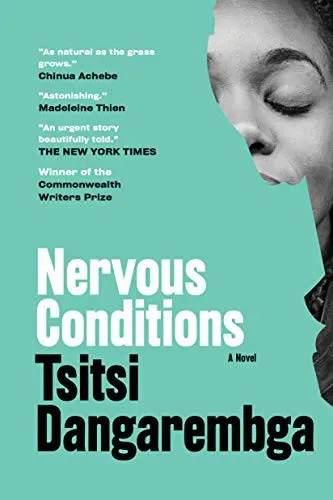
“I was not sorry when my brother died” is the blunt opening of Tambu’s account of growing up in colonial Rhodesia. That sentence announces a narrator as unsentimental and morally complicated as Morrison’s world: Tambu knows that her chance at education depends upon arrangements that diminish girls, yet ambition cannot simply be separated from liberation.
Where The Bluest Eye is incantatory, Nervous Conditions is taut, lucid, and edged with irony. Dangarembga makes patriarchy and colonialism visible not as abstractions but as forces operating through meals, school fees, language, manners, and the allocation of hope within a family. Around Tambu, other girls respond differently to the impossible demands placed upon them, giving the novel an extraordinary range of female consciousness. A landmark—the first novel published in English by a Black Zimbabwean woman—it has lost none of its intellectual bite. Read it for Tambu’s unforgettable voice, then expect its questions about education, freedom, and complicity to follow you.