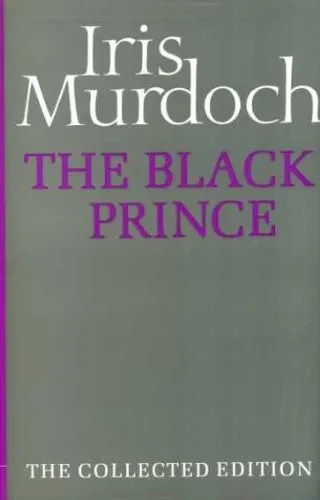
Books like The Black Prince
Each of these novels is a hall of mirrors in which a cultivated storyteller mistakes desire for truth—and the distortions become comic, sinister, and unexpectedly moving.
If you liked The Black Prince, you’ll love these
Not lookalikes — kindred books. Each one shares something essential with The Black Prince, and we tell you exactly what.
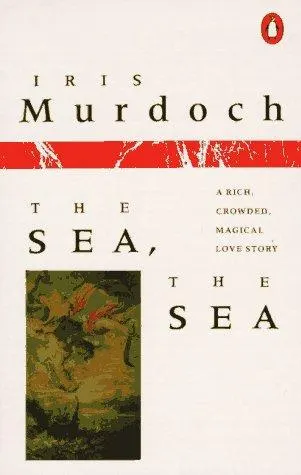
Charles Arrowby, a celebrated theatre director, retreats to a lonely house by the sea to write his memoirs, eat eccentric meals, and congratulate himself on escaping other people. Then an encounter with his first love turns his elegant solitude into a theatre of obsession.
Like Bradley Pearson, Charles is intelligent enough to interpret everything and vain enough to interpret everything wrongly. Murdoch lets his prose expose what his self-portrait conceals: possessiveness dressed as devotion, manipulation as rescue, appetite as destiny. Yet she never reduces him to a case study; his absurdity coexists with real spiritual hunger. Winner of the Booker Prize, this is Murdoch at her most intoxicating—funny, storm-darkened, philosophically alive, and perhaps the essential next novel after The Black Prince.
A 999-line poem by the fictional John Shade arrives wrapped in the commentary of his neighbor Charles Kinbote, who is ostensibly explaining the poem but gradually commandeers it. The resulting book is at once literary puzzle, outrageous comedy, and portrait of a mind using art to shelter itself from reality.
Anyone delighted by The Black Prince’s editorial frames, rival accounts, and unstable ownership of the story will find Pale Fire irresistible. Nabokov makes interpretation itself into dramatic action: every footnote is evidence, evasion, and attempted theft. Few twentieth-century novels have inspired such devoted rereading, because the book changes shape according to where you place your trust. To miss it is to miss one of fiction’s most dazzling demonstrations that a narrator can reveal himself most completely while talking about someone else.
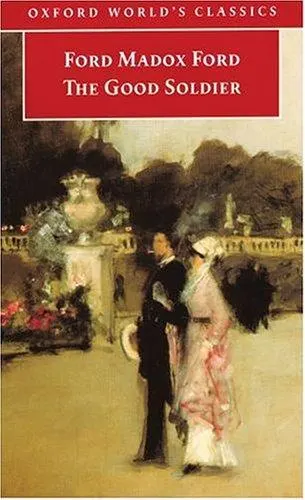
“This is the saddest story I have ever heard,” John Dowell announces before recounting the friendship of two apparently civilized couples. But his tale will not hold still: he circles backward, corrects himself, remembers too late, and quietly alters the moral weight of what he has already told us.
The kinship with Bradley Pearson lies less in unreliability as a trick than in unreliability as character. Dowell’s broken chronology shows how passion, jealousy, innocence, and culpability are manufactured in the telling. Ford’s prose is deceptively conversational, yet each repetition opens another abyss beneath the manners of respectable people. A landmark of modernist fiction, The Good Soldier offers the same dangerous pleasure as Murdoch’s novel: realizing that the confession you are reading may also be the narrator’s masterpiece of self-concealment.