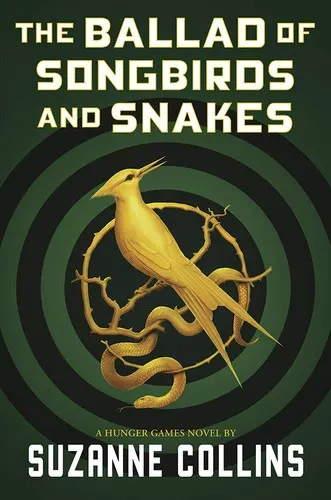
Books like The Ballad of Songbirds and Snakes
Reading The Ballad of Songbirds and Snakes means being trapped inside a brilliant young man’s justifications: every humiliation sharpens his ambition, every tenderness competes with self-preservation, and every apparent escape leads him deeper into complicity. These novels create that same queasy intimacy with intelligence, appetite, and power.
If you liked The Ballad of Songbirds and Snakes, you’ll love these
Not lookalikes — kindred books. Each one shares something essential with The Ballad of Songbirds and Snakes, and we tell you exactly what.
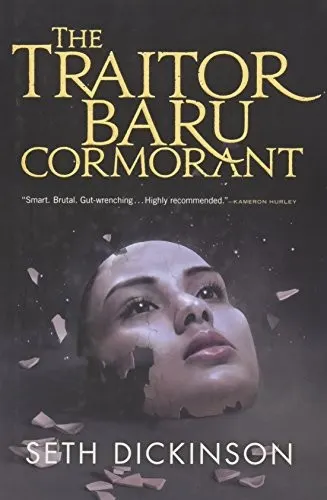
Baru is a gifted young woman whose homeland has been absorbed by the ruthlessly efficient Masquerade. Convinced she can defeat the empire from within, she enters its service and learns to turn economics, etiquette, and other people’s trust into weapons.
Like Coriolanus Snow, Baru is fascinating because intelligence keeps giving her persuasive reasons to cross the next moral line. Dickinson makes bureaucracy feel as dangerous as an arena: a budget can ruin thousands, a social gesture can expose a secret, and affection may be either refuge or fatal leverage. Celebrated by fantasy readers for its political sophistication and emotional ferocity, this is the essential next novel if Snow’s gradual transformation—not merely the Games—was what held you.
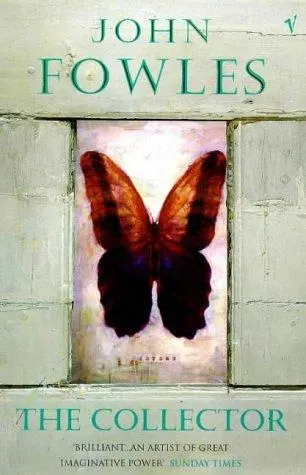
Frederick Clegg is a lonely, socially resentful young man who wins a fortune and decides to use it to possess Miranda, an art student he has admired from afar. What makes this modern classic so disturbing is not mystery but proximity: Frederick narrates his choices in the mild language of fairness, love, and injured innocence.
Readers captivated by Snow’s talent for converting desire into entitlement will recognize the chill immediately. Fowles then complicates Frederick’s account by allowing Miranda’s consciousness to press against his, exposing everything his tidy self-portrait excludes. The result is one of literature’s most unforgettable studies of control masquerading as devotion—a short, compulsive novel whose psychological trap continues to close after the final page.
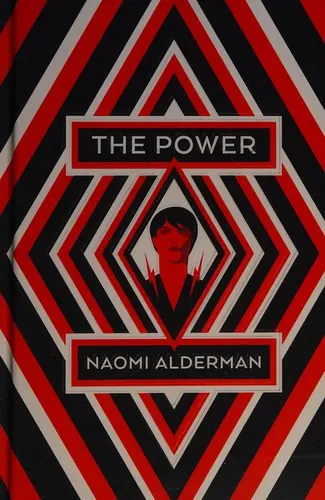
When teenage girls discover that they can produce devastating electrical force, the world’s assumptions about gender and authority begin to shift. Alderman follows several people who understand, exploit, fear, or mythologize the change, showing power becoming spectacle, religion, political currency, and eventually its own justification.
Where Collins reveals how a regime manufactures public meaning through mentors, broadcasts, costumes, and carefully edited violence, Alderman examines that machinery on a global scale. Her Women’s Prize–winning novel is provocative not because it simply reverses who dominates whom, but because it asks how quickly liberation can acquire hierarchies, propaganda, and cruelty. Its sly historical framing makes the reader complicit in interpreting the evidence—an audacious choice that gives the book much of its lasting sting.