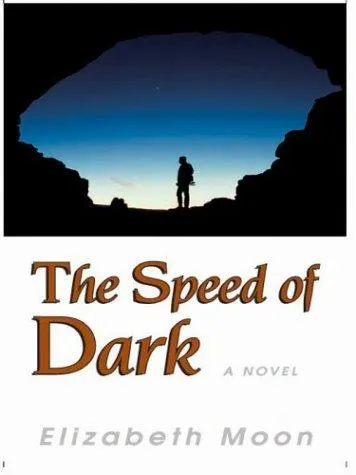
Books like Speed of Dark
Choice. Speed of Dark draws its power from the question of who gets to define a better mind—and whether becoming more acceptable might mean becoming less oneself. These novels approach that dilemma through equally distinctive voices.
If you liked Speed of Dark, you’ll love these
Not lookalikes — kindred books. Each one shares something essential with Speed of Dark, and we tell you exactly what.

The essential companion to Moon’s novel. Charlie Gordon agrees to an experimental procedure intended to transform his intelligence, recording the experience in progress reports whose language makes every cognitive shift palpable.
Like Lou, Charlie is never merely a case study: his humor, desires, pride, and vulnerability expose the cruelty hidden inside other people’s ideas of improvement. Keyes won a Nebula for the novel, and its emotional force has kept it beloved for generations. Read after Speed of Dark, it becomes an unforgettable counterpoint: another intimate test of whether increased ability can justify the cost to identity.

Keiko Furukura finds the rules of a convenience store far more intelligible than society’s unwritten expectations. Her exact, startlingly logical narration will feel immediately congenial to readers who loved inhabiting Lou’s pattern-conscious perspective.
There is no futuristic treatment here; the pressure to be “fixed” comes through ordinary conversations about careers, romance, and adulthood. Murata turns those banal demands into something both wickedly funny and quietly menacing. Winner of Japan’s Akutagawa Prize, this slim novel has inspired fierce devotion because it refuses the reassuring assumption that conformity equals health.
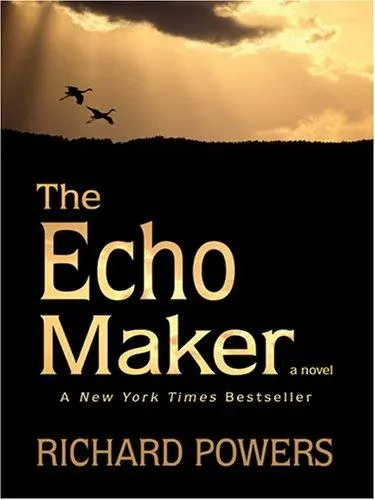
After a car accident, Mark Schluter recognizes his sister’s face but becomes convinced she is an impostor. A celebrated neurologist arrives to investigate, and Powers expands that neurological mystery into a profound examination of recognition, empathy, and the stories from which identity is built.
Where Moon gives us the integrity of one unusual consciousness, Powers moves among minds, showing how confidently even experts misunderstand another person’s inner life. The result is intellectually ambitious without sacrificing suspense or grief. Its National Book Award was well earned: few novels make the unstable machinery of selfhood feel so wondrous, frightening, and human.