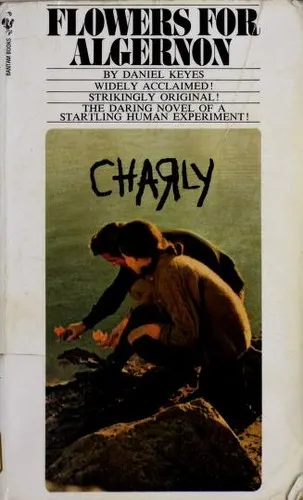
Books like Flowers for Algernon
Tender, lucid, and shadowed by the fear that becoming more—or seeing more clearly—may cost a person the self they hoped to perfect.
If you liked Flowers for Algernon, you’ll love these
Not lookalikes — kindred books. Each one shares something essential with Flowers for Algernon, and we tell you exactly what.
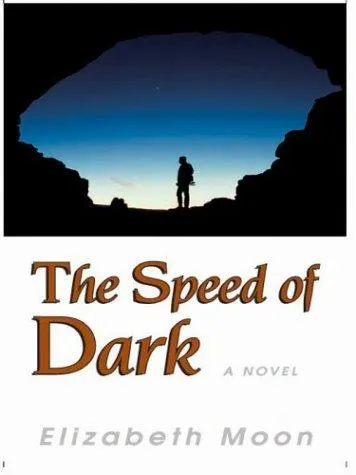
Lou Arrendale, an autistic man in the near future, is offered an experimental treatment that might make him “normal.” Like Charlie Gordon, Lou must contend with people who discuss his mind as a problem to be solved while overlooking the full person already living inside it.
Moon, whose own son is autistic, gives Lou a precise, absorbing inner voice and makes the treatment’s promise genuinely complicated rather than simply sinister. This Nebula Award winner shares Flowers for Algernon’s deepest question: if intelligence or cognition can be altered, who has the right to decide what counts as improvement? It is one of the rare novels that can stand beside Keyes’s book without merely imitating its premise.

Kathy H. begins by calmly recalling her years at Hailsham, an oddly sheltered English boarding school. Her memories are full of childish loyalties, humiliations, treasured objects, and rules whose significance she only partly understands. The reader, however, gradually senses the darkness around what she leaves unsaid.
That gap between narrator and reader will feel piercingly familiar to anyone moved by Charlie’s progress reports. Ishiguro’s restrained prose makes ordinary recollections accumulate into an enormous meditation on dignity, mortality, and the stories people use to endure what cannot be changed. Booker-shortlisted and now regarded as one of Ishiguro’s defining novels, it inspires the same helpless tenderness as Flowers for Algernon—quietly at first, then all at once.
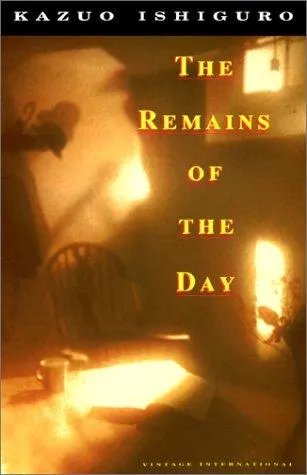
Stevens, an aging English butler, sets out on a motoring holiday and uses the journey to consider what makes a truly “great” servant. His polished, formal narration seems controlled, but every careful qualification reveals feelings and doubts he cannot quite admit.
Flowers for Algernon makes changing language the record of a changing consciousness; this Booker Prize winner performs an equally remarkable feat in reverse, using an unwavering voice to expose the life hidden beneath it. Stevens’s pursuit of dignity, excellence, and self-command becomes a devastating study of belated understanding. Few novels make the reader see so much that the narrator cannot—and fewer turn that distance into such profound compassion.