Author
Books like Elizabeth Moon
6 books we recommend to Elizabeth Moon readers, drawn from Speed of Dark and Remnant Population — each with the reason why.
If you loved Speed of Dark

The essential companion to Moon’s novel. Charlie Gordon agrees to an experimental procedure intended to transform his intelligence, recording the experience in progress reports whose language makes every cognitive shift palpable.
Like Lou, Charlie is never merely a case study: his humor, desires, pride, and vulnerability expose the cruelty hidden inside other people’s ideas of improvement. Keyes won a Nebula for the novel, and its emotional force has kept it beloved for generations. Read after Speed of Dark, it becomes an unforgettable counterpoint: another intimate test of whether increased ability can justify the cost to identity.
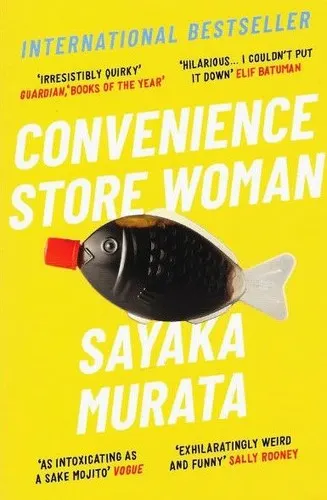
Keiko Furukura finds the rules of a convenience store far more intelligible than society’s unwritten expectations. Her exact, startlingly logical narration will feel immediately congenial to readers who loved inhabiting Lou’s pattern-conscious perspective.
There is no futuristic treatment here; the pressure to be “fixed” comes through ordinary conversations about careers, romance, and adulthood. Murata turns those banal demands into something both wickedly funny and quietly menacing. Winner of Japan’s Akutagawa Prize, this slim novel has inspired fierce devotion because it refuses the reassuring assumption that conformity equals health.
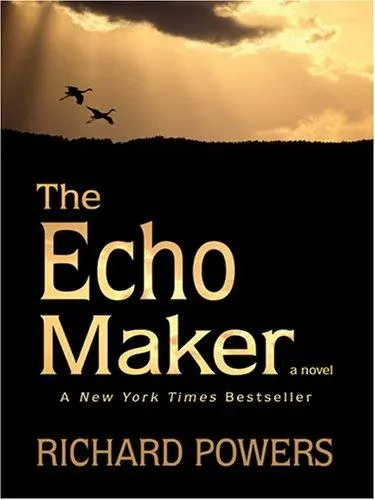
After a car accident, Mark Schluter recognizes his sister’s face but becomes convinced she is an impostor. A celebrated neurologist arrives to investigate, and Powers expands that neurological mystery into a profound examination of recognition, empathy, and the stories from which identity is built.
Where Moon gives us the integrity of one unusual consciousness, Powers moves among minds, showing how confidently even experts misunderstand another person’s inner life. The result is intellectually ambitious without sacrificing suspense or grief. Its National Book Award was well earned: few novels make the unstable machinery of selfhood feel so wondrous, frightening, and human.
If you loved Remnant Population
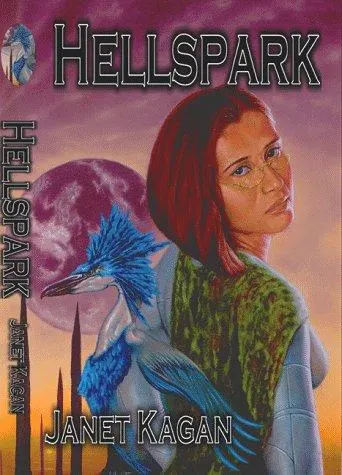
Tocohl Susumo arrives on a survey planet where a death must be investigated and the local beings’ intelligence is still being debated. Her essential tools are languages, etiquette, observation, and an understanding that gestures considered “natural” are often cultural.
Like Moon, Kagan turns first contact into the exhilarating work of learning how another mind communicates. Tocohl is more cosmopolitan than Ofelia, but she shares her practical confidence, humane curiosity, and refusal to let official classifications decide who counts as a person. Long cherished as a cult classic, Hellspark is witty, generous science fiction in which listening becomes a genuine heroic skill.
Arnason gives first contact the time and difficulty it deserves. Human anthropologist Lixia meets Nia, a native woman and blacksmith, and their journey becomes an encounter between people who must continually revise their assumptions about gender, kinship, work, and civilization.
What will feel familiar is the absence of conquest-minded grandstanding: knowledge grows through companionship, argument, embarrassment, and shared daily labor. Crucially, the aliens are not puzzles awaiting a human solution; they possess disagreements, histories, and interpretations of their own. This thoughtful, quietly radical novel shared the inaugural James Tiptree Jr. Award, and remains one of science fiction’s richest demonstrations that respect can be more dramatic than domination.
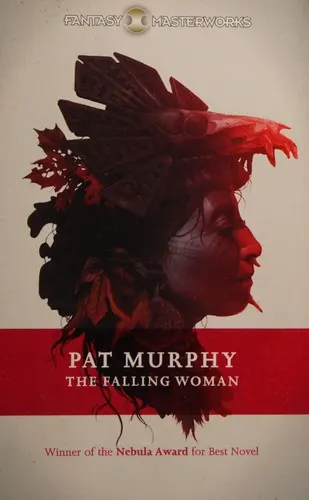
Elizabeth Butler is an accomplished archaeologist working at a Maya site, old enough to have become formidable and inconvenient—and able to perceive presences in the ruins that her colleagues cannot. When her estranged adult daughter joins the excavation, Elizabeth’s hard-won independence is tested from another direction.
This is the recommendation for readers who loved Ofelia not merely because she is elderly, but because Moon refuses to reduce her to a comforting grandmother figure. Murphy grants Elizabeth the same right to be stubborn, difficult, perceptive, ambitious, and fully alive. The supernatural elements emerge from sustained attention to place rather than spectacle, while the mother-daughter relationship gives the novel a sharper psychological edge than Remnant Population. A Nebula Award winner, The Falling Woman is an unsettling, beautifully intelligent portrait of a woman refusing the life others have assigned her.