Books like Some Prefer Nettles
Some Prefer Nettles understands that indecision is not emptiness but a cultivated appetite: Kaname delays because competing ways of living, desiring, and seeing have become pleasures in themselves. These novels share Tanizaki’s fascination with the evasions by which intimate lives are shaped.
If you liked Some Prefer Nettles, you’ll love these
Not lookalikes — kindred books. Each one shares something essential with Some Prefer Nettles, and we tell you exactly what.
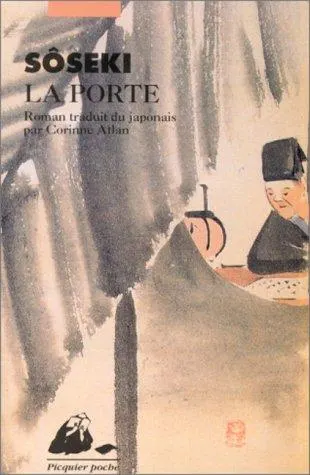
Sōsuke and Oyone inhabit a marriage of small routines, financial worries, companionable silences, and things they cannot quite confront. Like Tanizaki, Sōseki makes apparent stillness morally and emotionally eventful: a conversation trails off, an ordinary room acquires pressure, and passivity becomes a choice with consequences.
One of Sōseki’s most admired late novels, The Gate has none of the showiness often associated with stories of marital crisis. Its greatness lies in its muted register—the tender, almost airless intimacy of two people who are refuge and confinement to each other. Readers who loved the suspended, autumnal mood of Some Prefer Nettles will recognize a master equally capable of turning hesitation into drama.
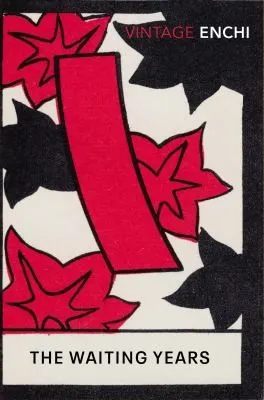
At the novel’s outset, Tomo is ordered by her powerful husband to select a young concubine for him. Enchi takes that cruel arrangement and examines the household it creates from the inside: its rituals, bargains, jealousies, humiliations, and strange forms of endurance.
Where Some Prefer Nettles exposes the erotic charge hidden within tradition and decorum, The Waiting Years asks who pays for such beautiful arrangements. Enchi’s prose is controlled rather than accusatory, which makes every gracious gesture cut more deeply. Winner of Japan’s Noma Literary Prize and now regarded as one of Enchi’s defining achievements, it gives the domestic world a tragic scale without sacrificing psychological precision. Tanizaki’s O-hisa may leave you curious about the women absorbed into male aesthetic fantasies; Enchi’s novel makes that curiosity impossible to satisfy anywhere else.
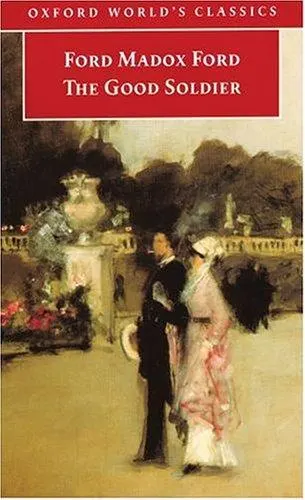
Ford’s narrator begins with two affluent married couples and calls what follows “the saddest story” he has ever heard—but he cannot tell it straight. He circles, revises, contradicts himself, and notices far less than he believes. The resulting novel is one of English modernism’s great anatomies of self-deception.
Its kinship with Some Prefer Nettles lies not in milieu but in intelligence: both novels understand that civilized manners can become elaborate machinery for avoiding knowledge. Ford makes chronology itself behave like Kaname’s mind, continually postponing the recognition that would force decisive judgment. Elegant, intimate, and quietly poisonous, The Good Soldier offers the rare pleasure of a novel whose every rereading changes the moral weight of what seemed obvious before.