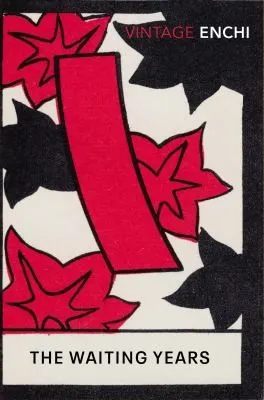
Books like The Waiting Years
The reader who treasures The Waiting Years responds to immaculate prose that exposes how endurance can become complicity—and how a household’s courtesies can conceal coercion, resentment, and quietly exercised power.
If you liked The Waiting Years, you’ll love these
Not lookalikes — kindred books. Each one shares something essential with The Waiting Years, and we tell you exactly what.
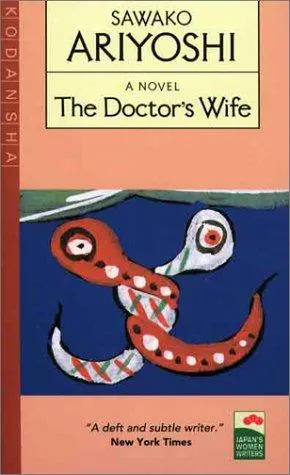
Ariyoshi turns domestic obedience into something volatile. Kae marries into the household of Hanaoka Seishū, an ambitious doctor pursuing a surgical anesthetic, only to find herself caught between devotion to him and rivalry with his formidable mother. The women’s sacrifices are treated neither as pure martyrdom nor simple victimhood: pride, jealousy, love, and social conditioning are inseparable.
Like Enchi, Ariyoshi writes with lucid restraint, allowing a gesture at dinner or an offer of help to carry the force of a threat. One of the defining Japanese historical novels of women’s hidden labor, The Doctor’s Wife compresses an entire system of exploitation into one household—and makes every apparent act of submission psychologically dangerous.
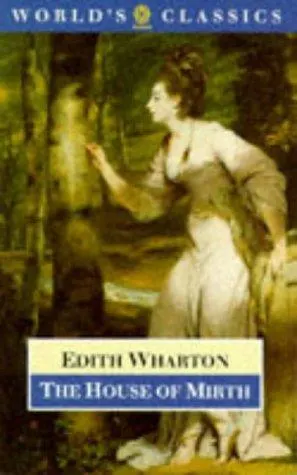
Lily Bart is intelligent enough to understand the society that traps her, but not quite ruthless enough to master it. Wharton follows her through a world where money, marriage, beauty, and reputation form a single pitiless economy. What makes Lily unforgettable is the same complexity that makes Tomo so compelling: she is injured by her world, implicated in it, and continually forced to choose among compromised forms of survival.
Wharton’s celebrated social comedy is much colder and sadder than that label suggests. Her irony catches every veiled insult and transaction, while her sympathy never turns sentimental. This is a canonical novel because its scrutiny remains painfully alive: few books show more precisely how a society can destroy a woman while insisting that everything was her own choice.
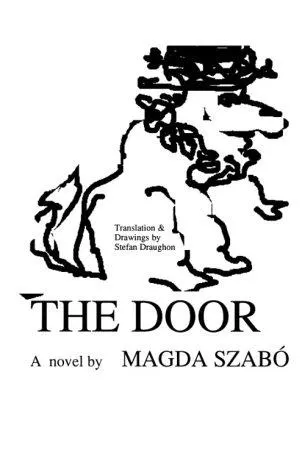
The Door begins in guilt. Its narrator, a successful writer, recalls her long relationship with Emerence, the proud, secretive woman she hires as a housekeeper. Their bond crosses class and temperament, mixing dependence with resentment, tenderness with domination; each woman believes she understands what the other owes her.
Enchi’s admirers will recognize Szabó’s refusal to distribute innocence neatly. Domestic work becomes a struggle over privacy, dignity, gratitude, and the right to decide another person’s good. Long revered in Hungary and now widely regarded as Szabó’s masterpiece, The Door has the force of a confession that cannot secure absolution. Its emotional reckoning is so exact that finishing it feels less like closing a novel than being judged by one.