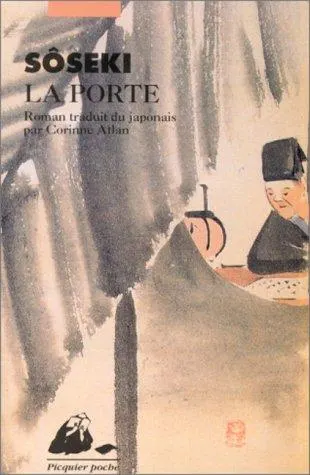
Books like The Gate
Life in The Gate seems to contract into rented rooms, office hours, small expenses, and changing weather, while an old wrong quietly presses against every ordinary kindness. Its power lies in that muted pressure: Sōseki makes resignation, tenderness, and the failure of revelation feel momentous without ever raising his voice.
If you liked The Gate, you’ll love these
Not lookalikes — kindred books. Each one shares something essential with The Gate, and we tell you exactly what.
Kaname and Misako know their marriage has ended inwardly, yet neither can bring it to an outward conclusion. Tanizaki, like Sōseki, understands habit as both shelter and prison: conversations drift, decisions are postponed, and apparently trivial questions of taste reveal moral evasions.
The novel’s encounters with traditional puppet theatre are not decorative local color. They sharpen its unsettling sense that people inherit roles and desires they cannot quite claim as their own. A major turning point in Tanizaki’s career, Some Prefer Nettles has the poise of a classic and the dangerous intimacy of overheard domestic speech. If The Gate’s suspended judgment enthralled you, this is indispensable.
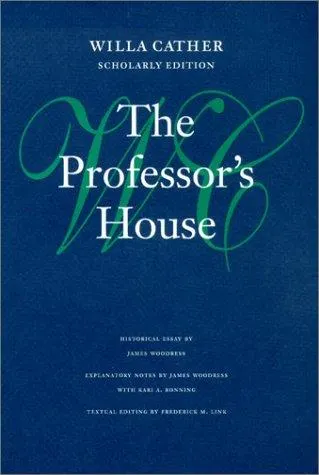
Godfrey St. Peter is a successful historian whose family has moved into a handsome new house, but he keeps returning to the cramped room where he once worked. Cather turns that stubborn attachment into a study of estrangement: from prosperity, from family happiness, and finally from the self that was supposed to enjoy both.
The kinship with The Gate lies in the negative space. Neither novel explains away its protagonist’s withdrawal or rewards him with a clean awakening. Rooms, possessions, pauses, and changes in temperature carry more feeling than declarations could. Often regarded as one of Cather’s most formally daring novels, The Professor’s House is spare, strange, and haunting—the sort of book whose quietest images remain lodged in the mind for years.
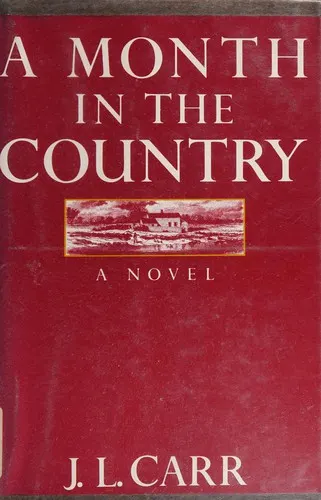
A veteran named Tom Birkin arrives in a Yorkshire village to uncover a medieval painting hidden beneath a church wall. He has little money, a damaged face, and memories he cannot master; the patient work of restoration offers him a temporary place among other people.
Carr captures the same fragile consolation Sōseki finds in routine, weather, modest companionship, and tasks performed carefully. He also resists the easy promise that beauty or religion can permanently heal a life. Yet the book is warmer than The Gate, touched by the knowledge that even incomplete happiness matters. Booker-shortlisted on publication and cherished ever since by readers who pass it from hand to hand, this brief novel achieves an emotional afterglow vastly larger than its size.