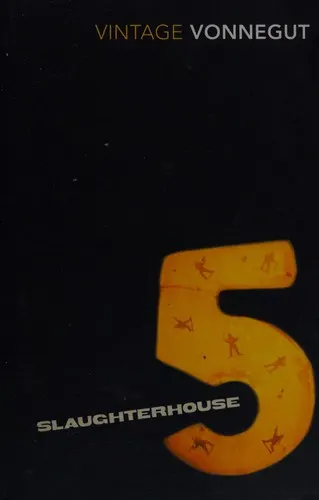
Books like Slaughterhouse-Five
Each of these books grins beside an open grave: the joke is part survival mechanism, part moral accusation, and beneath it lies an almost embarrassing tenderness for people trapped inside history.
If you liked Slaughterhouse-Five, you’ll love these
Not lookalikes — kindred books. Each one shares something essential with Slaughterhouse-Five, and we tell you exactly what.
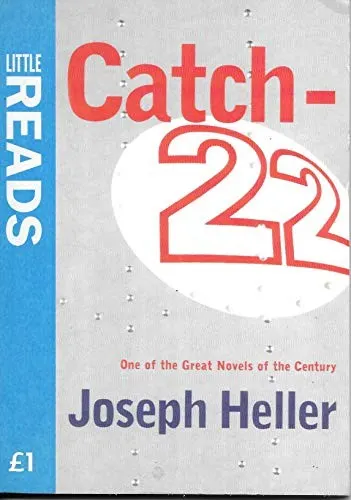
Heller makes war horrifying by letting its bureaucratic logic run perfectly. Yossarian’s predicament—sanity obliges him to escape combat, while wanting to escape proves he is sane enough to keep flying—unfolds through repetitions, contradictions, and scenes revisited with darker implications. Like Vonnegut, Heller turns fractured chronology and vaudevillian comedy into instruments of witness.
Its title became the everyday name for an inescapable logical trap, but the novel itself remains stranger, funnier, and angrier than its fame suggests. If Slaughterhouse-Five made you laugh and then feel guilty for laughing, Catch-22 performs that tonal ambush on an enormous scale.
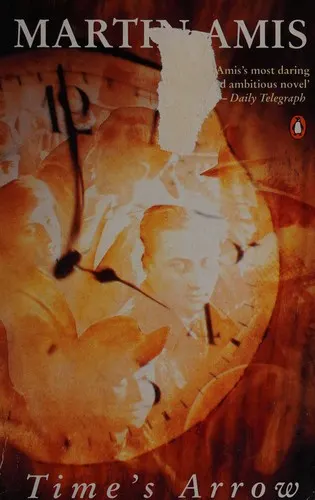
An American doctor’s life runs backward: meals emerge from mouths, injuries close, and destruction appears to create. The conceit initially produces brilliant deadpan comedy, but Amis steadily reveals its terrible moral purpose. Reversed time becomes a warped consciousness trying to make atrocity look like healing.
This Booker-shortlisted novel shares Vonnegut’s conviction that conventional realism can be inadequate to historical horror. It is colder and more abrasive than Slaughterhouse-Five, yet its formal audacity is comparably inseparable from its ethics. Few novels make a narrative trick feel so inevitable—or leave it echoing so ominously after the last page.
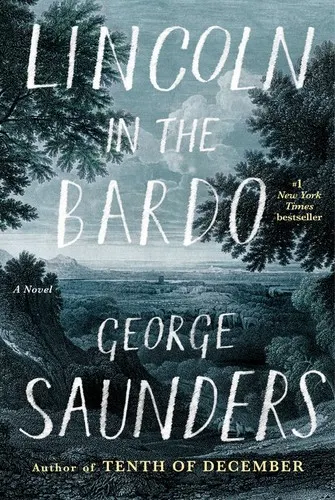
Saunders fills a cemetery with dead people who do not quite understand that they are dead. They gossip, boast, interrupt one another, cling to absurd self-descriptions, and gradually form a chorus around a grieving father and son. The comedy is exuberantly weird; the sorrow underneath it is devastating.
Winner of the Booker Prize, Saunders’s first novel earned its acclaim by making radical form feel intimate rather than showy. Its swarm of voices offers the same rare combination found in Vonnegut: playfulness without frivolity, sentiment without sentimentality, and compassion sharpened by an unblinking awareness of death. It is the kind of book that enlarges what a novel seems able to do.