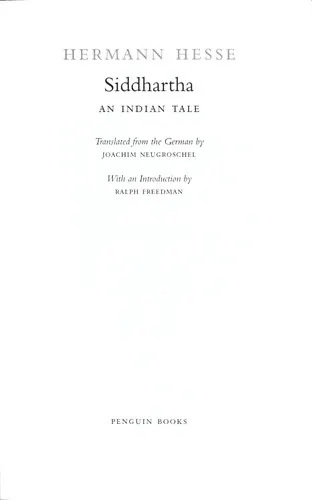
Books like Siddhartha
Can anyone hand us the truth about how to live, or must each person discover it through error, attention, and experience? These novels pursue that question with the same seriousness as Siddhartha, while arriving by strikingly different paths.
If you liked Siddhartha, you’ll love these
Not lookalikes — kindred books. Each one shares something essential with Siddhartha, and we tell you exactly what.
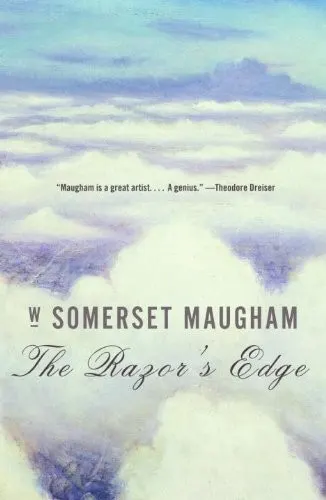
Larry Darrell returns from war unmoved by the prosperous life waiting for him. While friends pursue money, marriage, and social position, he searches for an understanding that cannot be inherited or bought.
Like Hesse, Maugham tests spiritual aspiration against lived experience rather than doctrine. But his urbane, ironic narration gives the quest a bracing counterweight: Larry’s serenity appears amid vanity, disappointment, and worldly temptation. One of Maugham’s most enduring novels, it makes renunciation feel neither quaint nor easy—and may leave you reconsidering what success costs.
Le Guin’s young wizard Ged possesses extraordinary gifts, but pride drives him toward an encounter that turns his education into a deeper search for self-knowledge. The kinship with Siddhartha lies in the insight that wisdom is not power, purity, or victory over an external enemy; it begins when we stop dividing ourselves into acceptable and unacceptable parts.
Le Guin’s prose is spare, lucid, and almost scriptural, with the compression of a myth remembered for centuries. This enormously influential fantasy novel is often labeled a coming-of-age story, but its Taoist-inflected understanding of balance, humility, and wholeness gives it the depth of a spiritual classic.
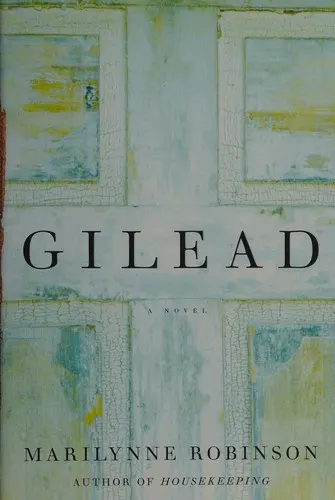
An elderly minister, knowing he will not see his young son grow up, writes him a long letter about family, failure, forgiveness, and the astonishing fact of being alive. There is little conventional adventure; the journey occurs through memory and ever-deepening attention.
Readers who loved the river passages in Siddhartha may recognize Robinson’s gift for making time feel layered rather than linear, and ordinary things radiant with meaning. Yet Gilead never offers easy consolation: its narrator must discover where his own learning has failed him. Winner of the Pulitzer Prize and cherished by many readers as a book to revisit throughout life, it can alter the texture of everyday seeing.