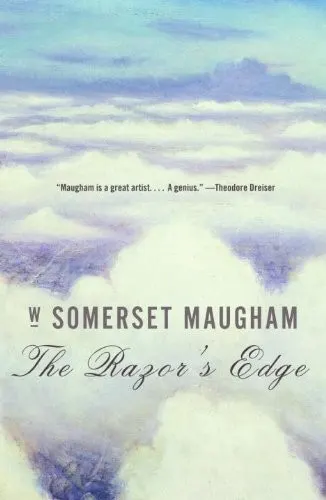
Books like The Razor's Edge
If Maugham won you over by making spiritual hunger coexist with drawing-room wit, worldly temptation, and cool-eyed social judgment, these three novels pursue that same tension in strikingly different ways.
If you liked The Razor's Edge, you’ll love these
Not lookalikes — kindred books. Each one shares something essential with The Razor's Edge, and we tell you exactly what.
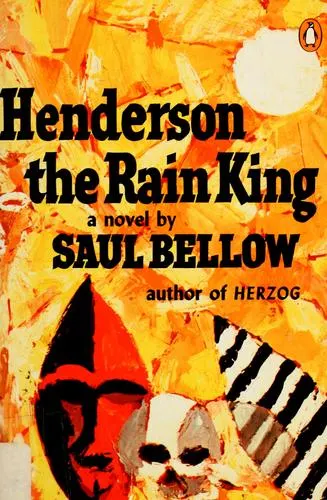
Eugene Henderson has money, family, force, and an inner voice that keeps roaring, “I want, I want.” Like Larry Darrell, he cannot accept that material comfort answers the essential questions; unlike Larry, he pursues revelation with comic bluster, disastrous confidence, and enormous appetite.
Bellow turns metaphysical restlessness into exuberant entertainment. The language is muscular and funny, yet Henderson’s need for transformation is never treated as a joke. One of Bellow’s most beloved novels, it offers the rare combination Maugham mastered: serious inquiry without solemnity.

Binx Bolling appears comfortably installed in moneyed New Orleans society, but ordinary life feels curiously unreal to him. He watches films, drifts through romances, and privately undertakes what he calls “the search”—an attempt to find something authentic beneath habit and social performance.
Where Maugham ranges across continents, Percy finds existential strangeness in suburbs, cinemas, and family gatherings. His irony is gentler but equally exact, particularly about privilege and the evasions it enables. Winner of the National Book Award, The Moviegoer has become a touchstone for readers who suspect that a respectable life may still be an unlived one.
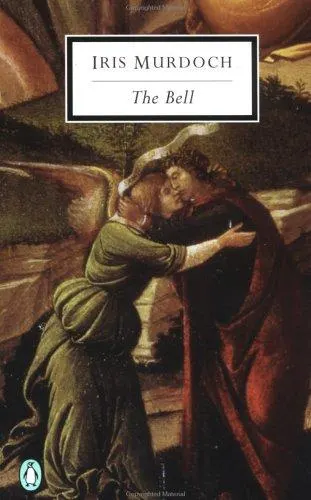
At a lay religious community surrounding an Anglican convent, people arrive hoping that discipline and faith will repair their disorderly lives. Instead, ideals collide with desire, vanity, jealousy, and the stubborn comedy of being human.
The kinship with The Razor’s Edge lies in Murdoch’s refusal to make spiritual aspiration either fraudulent or automatically ennobling. She understands both the longing to escape the world and the worldly ego hidden inside that longing. Her shifting attention among several characters also recreates Maugham’s pleasure in contrasting seekers, skeptics, romantics, and social performers. Often counted among Murdoch’s finest and most approachable novels, The Bell is intellectually alive, sensuous, funny, and morally unpredictable.