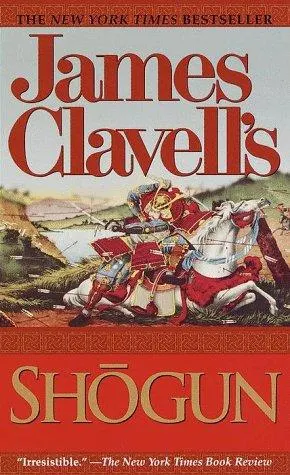
Books like Shōgun
Shōgun and David Mitchell’s The Thousand Autumns of Jacob de Zoet are masterly epics of ambition conducted across a gulf of language, custom, and power. The other choices preserve different parts of Clavell’s spell: the exhilarating intelligence of political maneuvering and the sheer pleasure of watching an adaptable hero survive a vast, dangerous world.
If you liked Shōgun, you’ll love these
Not lookalikes — kindred books. Each one shares something essential with Shōgun, and we tell you exactly what.
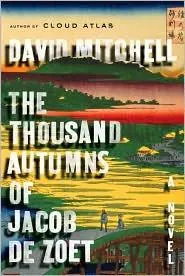
In 1799, a principled young Dutch clerk arrives at Dejima, Japan’s tightly controlled window onto the West, and discovers that nearly every exchange—commercial, linguistic, or romantic—conceals competing motives. Like Clavell, Mitchell makes translation dramatic: a misunderstood word can alter a life, while learning how another culture thinks becomes a form of power.
Booker-longlisted and widely regarded as one of Mitchell’s finest novels, it combines meticulous historical texture with sensuous, propulsive storytelling. Its world is smaller than Shōgun’s, but just as complete—and its collision between private conscience and immense systems of authority is unforgettable.

If Toranaga’s strategic patience and the intricate recalculation of loyalties were what gripped you most, read Wolf Hall. Hilary Mantel places you beside Thomas Cromwell as he rises through Henry VIII’s court, teaching you to read a room as he does: who owes whom, which silence is dangerous, and how a seemingly casual favor may become tomorrow’s decisive advantage.
Mantel’s present-tense prose makes history feel alarmingly immediate rather than ceremonially distant. Winner of the Booker Prize and the opening volume of one of modern historical fiction’s defining achievements, Wolf Hall turns administration, patronage, marriage, and rumor into high suspense. Few novels make intelligence itself so thrilling.

Red Orm begins as an unwilling participant in a Viking expedition and survives by becoming observant, resourceful, and extraordinarily adaptable. That talent will feel familiar to anyone who loved watching Blackthorne learn when to resist, when to bargain, and when survival depends on accepting an entirely different account of how the world works.
Bengtsson’s Swedish classic has inspired generations of devoted readers because it possesses something many historical epics lack: magnificent lightness. Raids, feasts, conversions, rivalries, and voyages unfold with dry wit, brisk momentum, and a storyteller’s perfect timing. It offers the scale and immersion of Shōgun without imitation—and is one of those rare long novels readers finish wishing it were longer.