
Books like The Thousand Autumns of Jacob de Zoet
Sacred Hunger is harsher and more openly furious than Sea of Poppies, while Ghosh’s novel answers imperial violence with exuberant language and a teeming cast. Silence completes the trio by compressing cross-cultural history into an intimate moral ordeal.
If you liked The Thousand Autumns of Jacob de Zoet, you’ll love these
Not lookalikes — kindred books. Each one shares something essential with The Thousand Autumns of Jacob de Zoet, and we tell you exactly what.
Like Mitchell, Unsworth understands that historical fiction comes alive when money, institutions and private conscience grind against one another. His Booker Prize–winning novel follows the financing and outfitting of a Liverpool slave ship, rendering commerce in meticulous physical detail while exposing the evasions that allow ordinary people to participate in atrocity.
Its kinship with The Thousand Autumns lies above all in its moral intelligence: no one stands safely outside the machinery of profit, and decency must operate through compromise, limited knowledge and unequal power. Unsworth’s large cast, controlled irony and gathering ethical force make this one of the indispensable historical novels of its period.
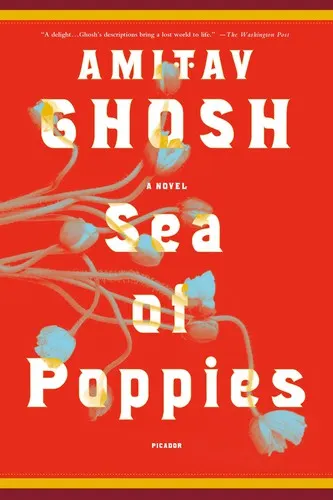
If Dejima’s babel of Dutch, Japanese, English and translation errors delighted you, Sea of Poppies offers an even more intoxicating linguistic world. On the eve of the Opium Wars, Ghosh gathers sailors, laborers, fugitives and displaced aristocrats around the Ibis, letting their dialects, jargons and improvised relationships reshape the novel from within.
Booker-shortlisted and the opening volume of the Ibis trilogy, it treats language not as decorative research but as the living record of migration and power. Ghosh matches Mitchell’s appetite for material history—food, ships, trade, clothing—yet his polyphony has a buoyancy all its own. Few novels make the workings of empire feel so vast while keeping individual voices so vividly audible.
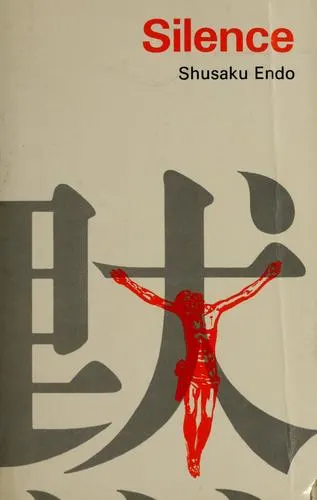
Silence takes the deepest question in Mitchell’s novel—what integrity can mean inside a system designed to defeat it—and subjects it to almost unbearable pressure. Two Portuguese Jesuits enter seventeenth-century Japan after hearing that their revered mentor has renounced his faith. From that premise, Endō constructs a spare, unsettling examination of conviction, cultural arrogance and the moral cost imposed on other people by one’s own heroism.
Winner of the Tanizaki Prize and widely regarded as Endō’s masterwork, Silence refuses easy divisions between courage and cowardice, fidelity and betrayal. Where Mitchell builds an abundant world, Endō strips nearly everything away until conscience itself becomes the setting. Its final ambiguities have haunted generations of readers.