
Books like The Long Ships
Salt air, hard luck, prodigious appetites and the steady amusement of watching heroic history being made by thoroughly unheroic men animate these three books.
If you liked The Long Ships, you’ll love these
Not lookalikes — kindred books. Each one shares something essential with The Long Ships, and we tell you exactly what.
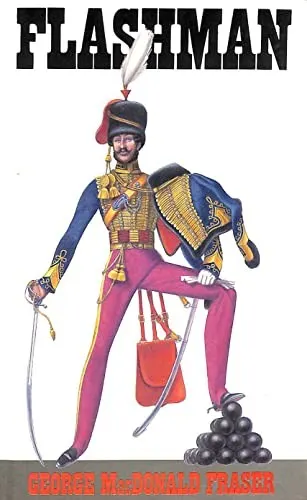
Harry Flashman, expelled from Rugby and pushed into the army, narrates his career as an elderly man determined to correct the heroic public record. He is cowardly, vain and magnificently candid—an antihero whose instinct for survival keeps placing him where history is most dangerous.
Like Bengtsson, Fraser combines formidable research with an allergy to solemnity. Battles, uniforms and politics are exact; the motives inside them are usually hunger, lust, panic or luck. Flashman is nastier than Red Orm, but the same comic gap opens between what chronicles celebrate and how fallible people actually behave. The novel launched a long, fiercely loved series, yet its first volume remains a complete, fast and wickedly funny pleasure.
In the wreckage of Constantinople, a gifted liar named Baudolino rescues the historian Niketas and begins telling him his life. From there Eco lets medieval fact, rumor, theology and tall tale jostle together until history feels like something improvised over supper by the most captivating rogue in the room.
A reader who loved Bengtsson’s easy traffic between the sacred and the earthy will recognize the pleasure here: faith is sincere, absurd and politically useful all at once, while clever men continually turn accident into destiny. Eco’s learning is immense, but this is among his most exuberant novels—full of arguments, marvels, appetites and audacious storytelling. It offers the rare delight of an intellectually intricate book that also understands why people have always wanted adventures told aloud.
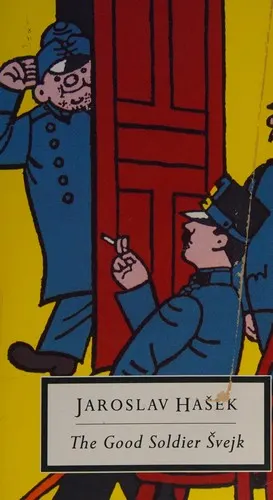
After an injudicious response to the assassination of Archduke Franz Ferdinand, the placid, endlessly talkative Švejk is swallowed by the Austro-Hungarian military machine. Whether he is an idiot or a genius of passive resistance never becomes entirely clear; he merely obeys so literally, digresses so persistently and survives so naturally that authority defeats itself around him.
Hašek shares Bengtsson’s deadpan refusal to tell the reader where the joke is. Both make history comic without making hardship unreal, and both understand that institutions look very different from the ground, where men are chiefly concerned with food, drink and avoiding unnecessary death. Though unfinished, Švejk became one of the defining comic novels of the twentieth century and a Czech cultural archetype; even the verb “to Švejk” survives. Missing it means missing one of literature’s great indestructible wanderers.