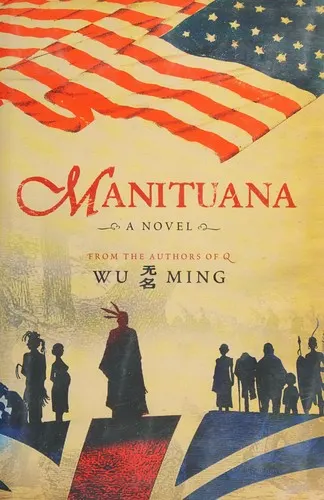
Books like Manituana
Manituana moves like a rebel ballad expanded into an epic: swift, crowded, politically furious, alive to the way empires manufacture legends—and to the counter-legends made by those they would erase. These three novels share that exhilarating fusion of popular storytelling, historical argument and insurgent imagination.
If you liked Manituana, you’ll love these
Not lookalikes — kindred books. Each one shares something essential with Manituana, and we tell you exactly what.
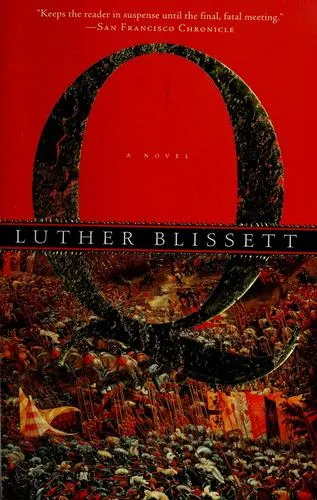
Before becoming Wu Ming, the collective wrote Q under the shared name Luther Blissett. It is not a rough precursor to Manituana but the furnace in which their distinctive historical fiction was forged.
Set amid the upheavals of the Reformation, Q tears through Europe alongside radicals, heretics, spies and ordinary people discovering both the promise and the treachery of revolution. Its history comes from below: taverns, printing presses and battlefields matter more than royal chambers. Like Manituana, it turns ideological conflict into muscular adventure without simplifying anyone into a mouthpiece.
Q became an international cult novel because it offers the pleasures of a conspiracy thriller while asking harder questions about who controls a rebellion, how dissent is infiltrated and how defeated movements survive in stories. For a Manituana devotee, reading it means encountering the same collective intelligence at its most ferocious and propulsive.
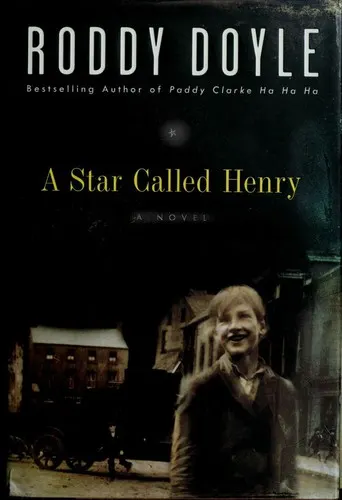
Henry Smart enters the world in the Dublin slums already half legend, and Roddy Doyle gives him a voice of colossal swagger: funny, wounded, boastful and ravenously alive. The prose has the momentum of oral storytelling, as though history were being improvised in a crowded pub by someone who refuses to surrender the floor.
What links it to Manituana is Doyle’s distrust of polished national mythology. He understands that revolutions need heroes—and that the making of heroes can conceal class exploitation, disposable bodies and inconvenient loyalties. Yet the novel never becomes a dry correction to the record. It remains sensuous, violent, comic and thrilling.
This was one of the Booker-winning novelist’s most ambitious reinventions of himself, enlarging his famous vernacular energy into historical epic. Henry’s voice is so potent that even readers suspicious of heroic narrators tend to fall under its spell before realizing how shrewdly Doyle is interrogating that spell.
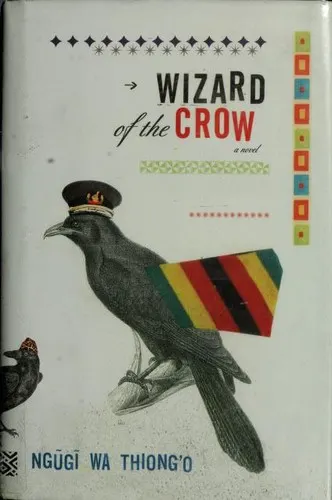
In the imaginary dictatorship of Aburĩria, a ruler dreams of erecting a tower tall enough to reach heaven. From that grotesque ambition, Ngũgĩ builds a vast comic epic in which bureaucracy, capitalism and tyranny become forms of collective madness—and jokes, rumors, performance and storytelling become weapons.
Wizard of the Crow shares Manituana’s faith that history is never made by a lone protagonist. Crowds generate meanings; legends mutate as they pass from mouth to mouth; the powerful attempt to stage-manage reality, only to find that the people are inventive audiences. Ngũgĩ’s satire can be hilarious, but beneath it lies the same serious question Wu Ming asks: how can a community imagine itself outside the story its rulers impose?
Written in Gikuyu and translated by Ngũgĩ himself, the novel is widely regarded as one of his major achievements. It has the amplitude of a nineteenth-century epic, the freedom of folktale and the bite of modern political comedy. Few novels make resistance feel so unruly, communal and joyfully creative.