Books like Poor Folk
The reader who loves Poor Folk is alert to the moral drama inside small sums of money: wounded pride, awkward kindness, self-deceiving letters, and the terrible effort required to remain dignified when society has already passed judgment.
If you liked Poor Folk, you’ll love these
Not lookalikes — kindred books. Each one shares something essential with Poor Folk, and we tell you exactly what.
Judith Hearne, an impoverished, unmarried piano teacher moving into yet another Belfast boarding house, possesses something of both Makar’s yearning and Varvara’s vulnerability. Moore sees every evasive boast, hopeful misreading, and social slight, yet never reduces Judith to an object of pity. Her loneliness is painful precisely because her desire to be valued is so ordinary and so reasonable.
The novel established Moore’s reputation, and its psychological precision remains astonishing. Like Poor Folk, it understands that humiliation is rarely theatrical: it arrives through seating arrangements, unpaid bills, strained invitations, and the moment when another person’s courtesy cools. Judith Hearne is one of fiction’s unforgettable portraits of a life that polite society prefers not to notice.
Gissing expands Dostoyevsky’s cramped rooms and financial anxieties into a devastating anatomy of cultural life under economic pressure. Its struggling writers must decide whether literature is a calling, a commodity, or simply the means of paying next week’s expenses. Money does not merely limit them; it enters their marriages, friendships, ambitions, and estimates of their own worth.
Generally regarded as Gissing’s masterpiece, New Grub Street has the rare severity of a novel that understands exactly how poverty corrodes without pretending that the poor are morally purified by suffering. A reader moved by Makar’s painfully earnest attempts to preserve dignity will recognize the same collision between inward value and public failure—rendered here with a broader social intelligence and a merciless, compelling clarity.
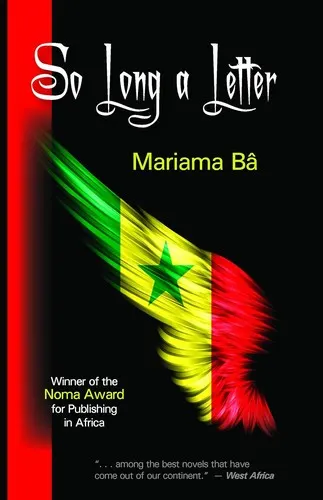
Written as one woman’s long letter to her closest friend, Mariama Bâ’s novel turns private address into an entire moral world. Ramatoulaye writes during a period of mourning, looking closely at marriage, friendship, betrayal, motherhood, faith, and the unequal freedoms granted to men and women. As in Poor Folk, the act of writing is itself a refuge: the addressee makes honesty possible.
Winner of the inaugural Noma Award and now a landmark of African literature, So Long a Letter achieves extraordinary breadth in a remarkably short space. Bâ’s voice is more composed than Makar’s, but it shares his need to rescue lived experience from society’s dismissive verdicts. Its intelligence, intimacy, and hard-won dignity make it feel less like overhearing a confession than being entrusted with one.