Books like New Grub Street
In New Grub Street, every aesthetic conviction eventually appears as a bill: rent, food, printer’s fees, even the cost of keeping a marriage alive. Gissing’s particular cruelty is to show that talent and integrity do not exempt anyone from the market.
If you liked New Grub Street, you’ll love these
Not lookalikes — kindred books. Each one shares something essential with New Grub Street, and we tell you exactly what.
Balzac’s great novel of literary ambition offers the panoramic counterpart to Gissing’s intimate tragedy. Lucien Chardon begins as a gifted provincial poet dreaming of Paris; Balzac then reveals literature as an ecosystem of printers, booksellers, journalists, patrons and manufactured reputations.
Like Gissing, Balzac understands that the market does more than reward bad work: it teaches writers to alter their desires and call the alteration success. The novel is bustling, seductive and often very funny where New Grub Street is airless, but its intelligence about publicity, compromise and social climbing is just as merciless. Widely regarded as one of Balzac’s masterpieces, it is essential reading for anyone fascinated by Jasper Milvain’s cold recognition that authorship is also commerce.
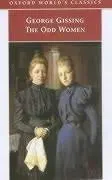
If what lingers from New Grub Street is the way money enters bedrooms and rearranges love, read Gissing’s The Odd Women. Its unmarried Madden sisters face narrowing choices, while Rhoda Nunn and Mary Barfoot try to equip women for independent working lives. The premise sounds programmatic; the novel is anything but. Every principle is tested against loneliness, desire, pride and the humiliating arithmetic of survival.
Published two years after New Grub Street, it has become a central novel of the 1890s “New Woman” debate because Gissing refuses easy saints and villains. Its arguments about marriage and freedom remain startlingly alive, but its real force lies in the exactness with which dependence damages character. It is Gissing at his most searching and morally unsettled.
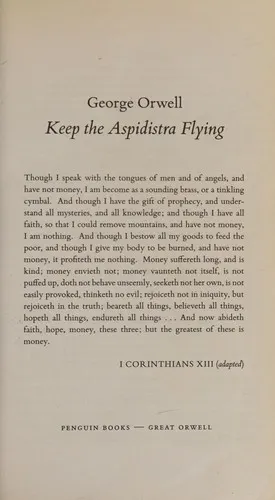
Gordon Comstock abandons a promising advertising career for a poorly paid bookshop job, convinced that respectable prosperity will corrupt his poetry. What follows is Orwell’s most Gissing-like examination of the artist in poverty: shabby clothes, counted coins, awkward social calls and the gradual conversion of moneylessness into a private theology.
Gordon is no noble martyr. His disgust with commerce feeds vanity, resentment and cruelty, and Orwell makes that self-deception painfully comic. Readers who were divided between sympathy and exasperation over Edwin Reardon will recognize the same trap: integrity may be real, yet the ego built around it can become destructive. Less famous than Orwell’s political landmarks, this is one of his most intimate novels—and one of the sharpest ever written about the romance and degradation of being poor on principle.