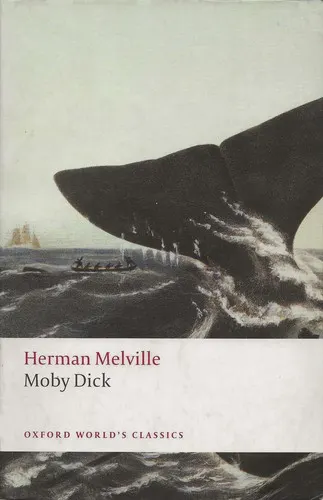
Books like Moby-Dick
Reading Moby-Dick is like being trapped with a brilliant, unruly mind that turns pursuit into philosophy, technical instruction into poetry, and terror into comedy. These three novels share that exhilarating refusal to remain merely stories.
If you liked Moby-Dick, you’ll love these
Not lookalikes — kindred books. Each one shares something essential with Moby-Dick, and we tell you exactly what.
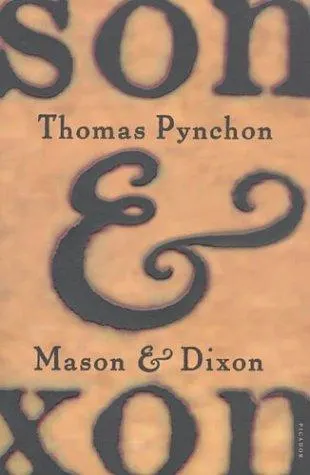
Pynchon matches Melville’s abundance without imitating it. As Charles Mason and Jeremiah Dixon prepare to survey America, their work opens onto astronomy, politics, faith, commerce, and the unnerving question of whether measuring the world also diminishes it.
The delight lies equally in the friendship: melancholy Mason and sociable Dixon make a double act as affectionate and necessary as Ishmael and Queequeg. Around them, history becomes fantastical, jokes acquire metaphysical shadows, and even learned digressions seem alive. Often hailed by Pynchon’s devotees as his masterpiece, Mason & Dixon is one of the few novels whose eccentric language and intellectual appetite can make Melville’s excess feel not unique, but part of a magnificent tradition.
If Ahab’s obsession fascinated you more than the whale, read The Recognitions. Its central figure, Wyatt Gwyon, is a gifted painter drawn into forgery, and Gaddis uses his predicament to ask what originality, belief, and integrity can mean in a culture skilled at counterfeiting all three.
The book is vast, difficult, savagely funny, and crowded with voices—less a tidy narrative than a civilization overheard at the moment its certainties fail. Initially received with bafflement, it has become a landmark of American fiction, inspiring generations of ambitious novelists and fiercely devoted readers. Like Moby-Dick, it demands attention because its apparent chaos is the form of its inquiry: skip it, and you miss one of the boldest descendants of Melville’s metaphysical comedy.
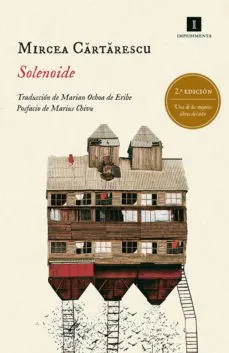
Solenoid begins with an obscure Bucharest schoolteacher recording his disappointments, bodily terrors, dreams, and the peculiarities of the house he has bought. From those unpromising materials, Cărtărescu builds an ecstatic investigation of consciousness—full of insects, classrooms, machines, diagrams, visions, and sudden openings into the sublime.
A Melville reader will recognize the thrilling conversion of knowledge into delirium: catalogues cease to be background and become ways of testing reality. Yet Solenoid offers a distinctly intimate grandeur, making one thwarted life feel as inexhaustible as an ocean. Sean Cotter’s English translation won the 2024 Dublin Literary Award, confirming what its growing body of passionate readers already knew: this is a modern maximalist novel with the strangeness and scale to alter your sense of what fiction can contain.