Books like Quartet in Autumn
Quartet in Autumn belongs beside Muriel Spark’s Memento Mori: both turn mortality, loneliness, and social embarrassment into comedy without diminishing their pain. The following novels share Pym’s rare gift for finding immense emotional stakes in circumscribed lives.
If you liked Quartet in Autumn, you’ll love these
Not lookalikes — kindred books. Each one shares something essential with Quartet in Autumn, and we tell you exactly what.
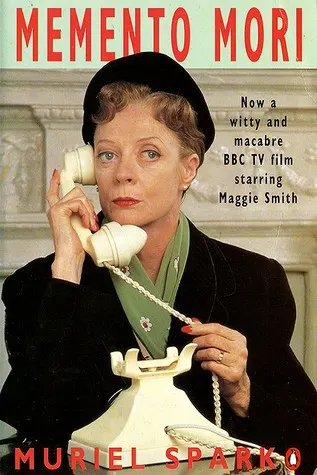
An anonymous caller begins telephoning elderly Londoners with the message, “Remember you must die.” From that stark premise, Spark creates a wickedly funny ensemble novel about vanity, fear, grudges, dependence, and the indignities of being managed by others.
Like Pym, Spark understands that tragedy often arrives disguised as a minor social difficulty. Her touch is sharper and more mischievous, but she gives every quarrel and failed kindness the weight of a whole life. One of Spark’s most enduring novels, Memento Mori is the rare comedy about old age that neither sentimentalizes nor patronizes its characters; its laughter makes the final seriousness more piercing.
Judith Hearne inhabits a world of furnished rooms, churchgoing, carefully maintained respectability, and invitations whose smallest nuances she scrutinizes for signs of belonging. When she moves into a Belfast boarding house, the possibility of renewed companionship briefly seems to open before her.
Readers who loved Pym’s sensitivity to the unnoticed will recognize Moore’s exact understanding of how loneliness alters perception: a courteous remark can become a promise, and a silence can feel like a verdict. Yet Judith is never reduced to a pitiable type. Moore makes her proud, difficult, hopeful, self-deceiving, and heartbreakingly alive. His breakthrough novel has long been regarded as one of the great fictional studies of loneliness, and its controlled emotional force is unforgettable.
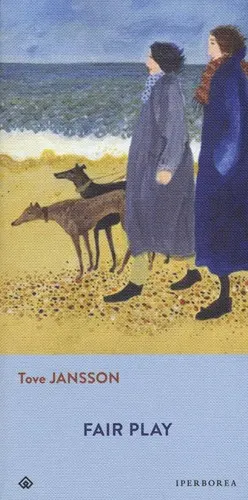
Mari and Jonna are artists who live at opposite ends of an apartment building, joined by an attic passage and by a long, independent intimacy. Their days are made from work, films, travel plans, disagreements, practical favors, and the delicate negotiation of how close two people can be without crowding each other.
Where Quartet in Autumn traces failures of connection, Fair Play shows companionship sustained through tact, candor, and attention. Jansson’s short chapters are lucid and apparently simple, yet every shifted object or clipped exchange reveals years of shared history. Drawing on her life with the artist Tuulikki Pietilä, this quietly beloved late novel offers something exceptionally rare: a convincing portrait of mature love without melodrama. Its warmth is earned, never imposed.