Books like The Old Devils
The Old Devils and Muriel Spark’s Memento Mori turn old age into savage ensemble comedy, making every indignity expose a lifetime of vanity, appetite, and unfinished business. The other choices share Amis’s rarer gift for finding tenderness without relaxing his comic judgment.
If you liked The Old Devils, you’ll love these
Not lookalikes — kindred books. Each one shares something essential with The Old Devils, and we tell you exactly what.

A group of elderly Londoners begin receiving telephone calls whose message is simply: “Remember you must die.” Spark uses that macabre premise not for mystery but for an exquisitely controlled comedy of status, resentment, adultery, money, and self-deception.
Like Amis, she refuses to sentimentalize age: her characters remain competitive, lustful, pompous, and wonderfully alive. Yet the cruelty has moral weight; death clarifies each personality without making anyone nobler. Often counted among Spark’s masterpieces, this is the closest match for the exhilarating sensation of laughing at behavior that is also painfully recognizable.
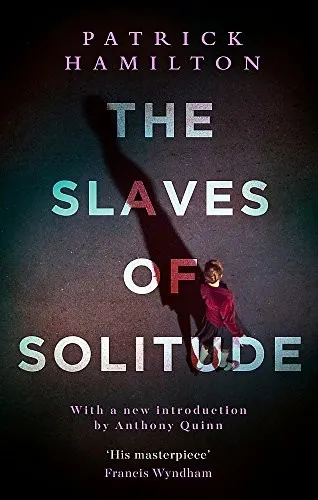
Hamilton’s great subject is the violence hidden inside ordinary conversation. In a wartime boarding house, meals and drinks become arenas in which bores, bullies, and the quietly desperate fight for command of the room. Mr Thwaites, a virtuoso of insinuation and oppressive joviality, belongs in the same comic universe as Amis’s most unbearable drinkers.
What makes the novel indispensable is Hamilton’s microscopic ear: every cliché reveals a hunger for power, every attempt at conviviality risks humiliation. Widely regarded as his masterpiece, it combines social comedy with genuine menace—and captures, as The Old Devils does, how people can need company while making company nearly intolerable.

Mrs Palfrey arrives at a respectable London residential hotel determined to maintain appearances. Taylor observes the hotel’s little hierarchy—its strategic friendships, conversational traps, vanities, and dread of being overlooked—with immaculate comic precision.
The register is quieter than Amis’s, but the unsentimentality is just as bracing. Taylor understands that dignity may be both admirable and faintly absurd, and that loneliness often disguises itself as etiquette. Shortlisted for the Booker Prize and cherished by generations of discerning readers, this slender novel deepens almost imperceptibly until its comedy and compassion become inseparable.