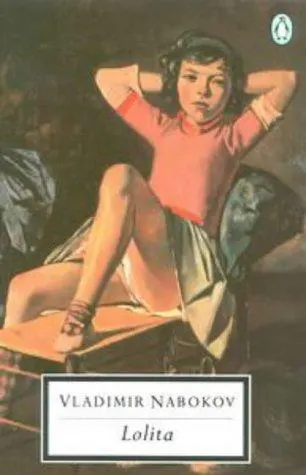
Books like Lolita
The reader who falls hardest for Lolita is usually enthralled not by Humbert’s story but by the dangerous experience of reading him: the beauty that solicits complicity, the comedy that catches in the throat, and the constant struggle to see past a virtuoso voice.
If you liked Lolita, you’ll love these
Not lookalikes — kindred books. Each one shares something essential with Lolita, and we tell you exactly what.
If Lolita made you marvel at Nabokov’s ability to turn unreliability into an entire aesthetic system, Pale Fire is indispensable. It presents a 999-line poem by the fictional John Shade, followed by a commentary whose editor gradually commandeers the book. The notes become a rival artwork: vain, hilarious, melancholy, and possibly mad.
Where Humbert attempts to possess a life through narration, Charles Kinbote attempts to possess another man’s poem through interpretation. Nabokov makes every detail shimmer with competing meanings, turning the reader into detective, judge, and accomplice. Often considered one of the supreme postwar novels, Pale Fire inspires unusually devoted readers because it seems to rearrange itself with every rereading. To love Nabokov and miss it is to leave one of his most dazzling traps unopened.
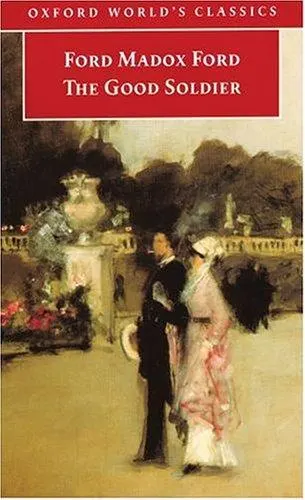
Ford’s novel offers a quieter but equally treacherous encounter with a narrator. John Dowell begins by calling his tale “the saddest story” he has ever heard, then recounts the intimate history of two wealthy couples. Yet his hesitant repetitions, disordered chronology, and professions of incomprehension steadily become more revealing than the facts he supplies.
Unlike Humbert’s jeweled performance, Dowell’s voice sounds almost artless—which makes its evasions exceptionally unnerving. Ford turns social politeness into a screen behind which desire, cruelty, and self-deception flicker. The novel’s fractured method profoundly influenced modern fiction, but its formal importance understates its emotional power: it leaves you wondering whether Dowell is innocent, obtuse, manipulative, or some unbearable combination of all three. Few novels make the act of listening to a storyteller feel so perilous.
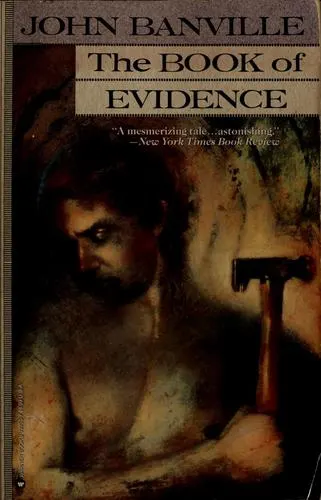
Freddie Montgomery, an educated drifter facing a murder charge, sets down his version of events in prose of extraordinary sensuous precision. He notices colors, textures, gestures, and paintings with an aesthete’s rapture; he also uses that rapture to evade the human reality before him. The friction between verbal beauty and moral vacancy is where the novel burns.
Banville does not imitate Nabokov’s style. His sentences are colder, more mineral, and his narrator’s wit has a sickly self-awareness all its own. But readers fascinated by Lolita’s central ethical problem—what happens when exquisite language becomes a criminal’s preferred alibi—will find this Booker-shortlisted novel devastating. Freddie wants to make his confession into art; Banville lets him try, while ensuring that the life outside his rhetoric keeps breaking through. It is a compact, ferociously controlled masterpiece.