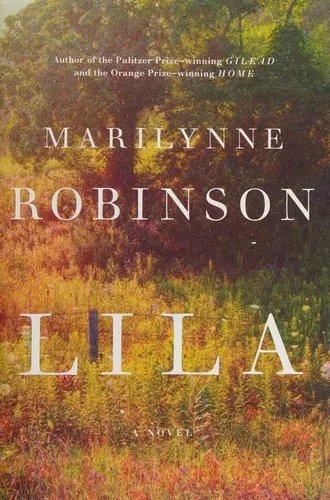
Books like Lila
Unhousedness. Lila’s deepest ache is the question of whether a solitary person can accept shelter—in a town, a faith, or another human being—without surrendering herself. These novels approach that ache with the same seriousness and tenderness.
If you liked Lila, you’ll love these
Not lookalikes — kindred books. Each one shares something essential with Lila, and we tell you exactly what.

A writer hires Emerence, an elderly housekeeper whose ferocious competence and guarded private life make ordinary intimacy feel like a trespass. Like Lila, Emerence has been shaped by hard labor and deprivation; she distrusts fine words, charity, and anyone who assumes love confers a right to know her.
Szabó turns the relationship between these two women into a morally exacting study of pride, dependence, secrecy, and betrayal. The prose is direct, but the emotions beneath it are volcanic. Long revered in Hungary, The Door gained an especially devoted English-language readership through Len Rix’s translation. Anyone moved by Robinson’s refusal to sentimentalize suffering should not miss this formidable, unforgettable woman.
Maxwell’s brief masterpiece begins with a remembered murder in rural Illinois, but its true subject is quieter: a boy’s failure to offer kindness, and an older man’s lifelong attempt to imagine the pain he once failed to see.
A lover of Lila will recognize Maxwell’s faith in attention as a moral act. His Midwestern world is rendered through empty houses, farm chores, overheard talk, and devastating silences; his sentences are lucid enough to seem effortless, yet whole lives gather inside them. Awarded the William Dean Howells Medal and cherished by generations of writers, this is one of those rare novels whose modest dimensions conceal an almost bottomless compassion.
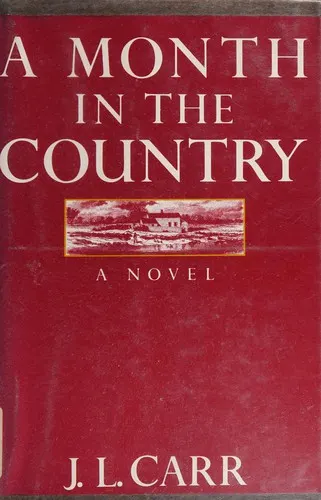
In the summer of 1920, a shell-shocked veteran arrives in a Yorkshire village to uncover a medieval painting hidden beneath a church wall. He is poor, damaged, and only provisionally welcome—but patient work, sunlight, friendship, and beauty begin to make the world inhabitable again.
Carr shares Robinson’s gift for locating spiritual experience outside declarations of belief: in manual labor, weather, reticence, and fleeting human generosity. The novel’s retrospective voice gives every pleasure the pressure of impermanence, making its radiance inseparable from loss. Booker-shortlisted and now regarded as a modern classic, it is scarcely longer than an afternoon’s reading, yet many readers carry its vanished summer for the rest of their lives.