Books like Libra
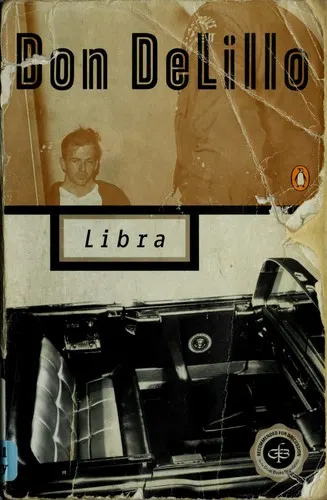
The secret history. What makes Libra so powerful is DeLillo’s sense that public events emerge from private obsessions, institutional machinery, accident, and stories that eventually harden into fact. These novels share that unnerving vision while pursuing it in radically different styles.
If you liked Libra, you’ll love these
Not lookalikes — kindred books. Each one shares something essential with Libra, and we tell you exactly what.
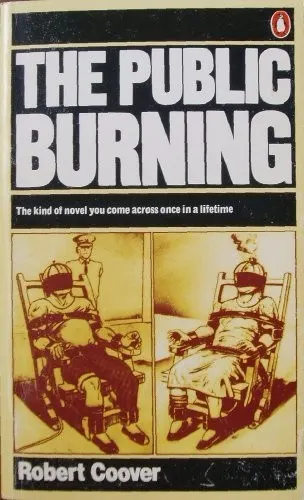
Coover turns the execution of Julius and Ethel Rosenberg into a delirious pageant narrated partly by Vice President Richard Nixon. Like Libra, it treats history not as a settled record but as a performance assembled from ideology, fantasy, bureaucratic language, and national appetite.
Where DeLillo is cool and mournful, Coover is obscene, comic, and carnivalesque: Uncle Sam becomes a character, propaganda acquires flesh, and Nixon’s self-invention becomes inseparable from America’s. Long revered as a cult masterpiece, The Public Burning is one of the boldest American novels about the manufacture of political reality. Readers haunted by Libra’s collision of documented fact and imagined consciousness should not miss its brilliant, ferocious counterpart.

Tree of Smoke follows intelligence officers, soldiers, missionaries, and civilians into the covert machinery of the Vietnam War. Its deepest affinity with Libra lies in the way grand designs decay when entrusted to lonely, frightened, self-mythologizing people. Strategies become rumors; rumors become convictions; institutions keep moving after their purposes have blurred.
Johnson’s prose alternates between hard clarity and visionary radiance, giving espionage the atmosphere of a damaged religion. The novel won the National Book Award, but its distinction is more visceral than ceremonial: few books make secrecy feel so spiritually corrosive. It offers the same terrible pleasure as Libra—the realization that history may be shaped less by masterminds than by believers trapped inside their own plots.
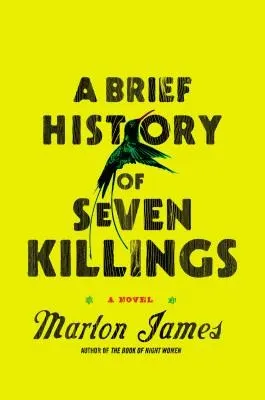
Beginning around the 1976 attack on Bob Marley’s home, Marlon James builds a chorus of gang members, politicians, CIA operatives, journalists, ghosts, and bystanders. No single voice owns the event. Each speaker alters its meaning, until the reader must navigate history as a field of competing testimonies rather than a clean sequence of causes.
That polyphonic method makes this a thrilling answer to Libra’s central problem: how can a novel approach an event whose explanations have become part of its mystery? James is more torrential and profane than DeLillo, with voices that seize the page and refuse neutrality. The Booker Prize recognized its scale, but its devoted readership comes from its sheer vitality—its menace, humor, rhythm, and panoramic intelligence. It does not solve conspiracy; it shows how conspiracy colonizes entire lives.