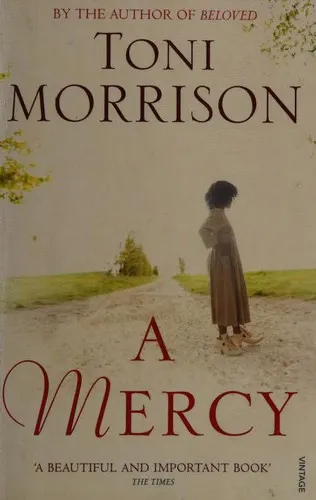
Books like A Mercy
The voices of A Mercy keep rearranging its meaning long after the last page: an apparent act of kindness becomes abandonment, love shades into possession, and history feels painfully intimate. These three novels offer that same afterlife of moral uncertainty and hard-won beauty.
If you liked A Mercy, you’ll love these
Not lookalikes — kindred books. Each one shares something essential with A Mercy, and we tell you exactly what.

A pregnant, condemned enslaved woman tells her story to a white man who believes he can translate her life into a useful theory. Williams makes that act of transcription a struggle over authority: who gets believed, whose language counts, and what disappears when suffering is made orderly.
Like A Mercy, this landmark of the neo-slave narrative distrusts any single account of the past. Its shifting voices expose the self-deceptions inside supposedly benevolent acts, while Dessa’s irreducible intelligence keeps defeating every attempt to classify her. The prose moves between oral force, documentary chill, and fierce inwardness. If Morrison’s chorus of compromised witnesses held you, Williams’s battle over who owns a story is indispensable.
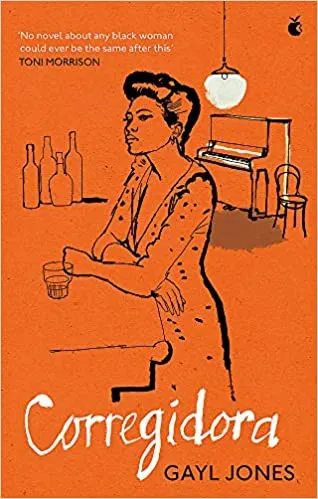
Ursa Corregidora, a blues singer, has been raised under a terrible ancestral command: the women of her family must preserve and repeat what slavery did to them. When an injury threatens her ability to bear children, memory, sexuality, art, and inheritance become inseparable questions.
Jones writes in riffs and returns, making repetition work like the blues—never merely recurring, always changing pressure and meaning. This is the kinship with A Mercy at its deepest: history lives not behind the characters but inside their bodies, desires, and mistaken forms of love. Toni Morrison edited and championed this 1975 debut, declaring that fiction about Black women could not be the same afterward. Its raw, incantatory power still justifies that faith.
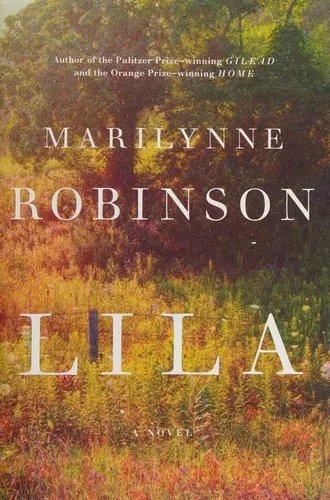
A homeless, wary woman steps into a church in the small Iowa town of Gilead and begins an unlikely encounter with its elderly minister. Around that moment, Robinson gathers Lila’s memories of hunger, itinerant labor, stolen tenderness, and the woman who once carried her away from neglect.
The setting is far from Morrison’s colonial America, but the emotional question is uncannily close: when an abandoned person is taken in, is that rescue, possession, grace—or all three? Lila’s suspicion of beautiful words resembles Florens’s vulnerability to them, while Robinson gives theological questions the texture of cold ground, worn clothes, and a hand tentatively offered. Winner of the National Book Critics Circle Award, it is a quiet masterpiece whose apparent simplicity opens into an immense meditation on whether love can answer abandonment.