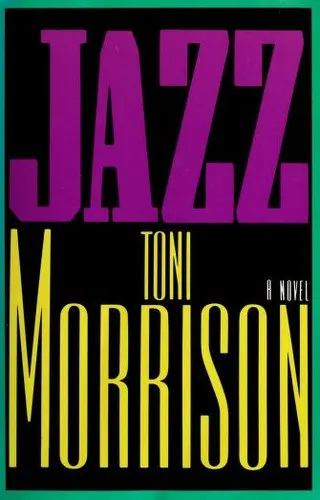
Books like Jazz
Set Jazz beside Gayl Jones’s Corregidora and their deepest kinship becomes audible: both turn desire, inherited violence, and Black musical form into one inseparable experience.
If you liked Jazz, you’ll love these
Not lookalikes — kindred books. Each one shares something essential with Jazz, and we tell you exactly what.
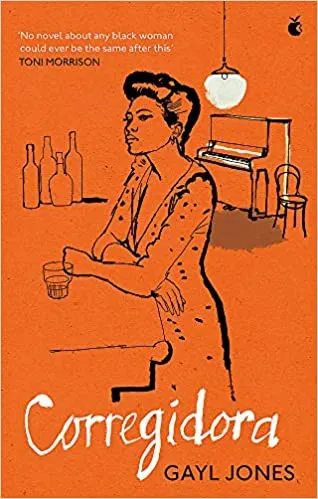
Ursa Corregidora is a blues singer whose voice carries a family history of sexual violence, even as her own relationships repeat its patterns. Jones writes according to blues logic: phrases recur with altered meanings, memory interrupts the present, and pain becomes art without becoming consolation.
The novel has Jazz’s volatile mixture of erotic longing and brutality, but its terse, feverish prose is entirely its own. Edited by Toni Morrison and championed early by James Baldwin, this astonishing debut is now recognized as a landmark of Black American fiction. Its emotional pressure is so concentrated that finishing it feels less like closing a book than emerging from a song that has changed key inside you.
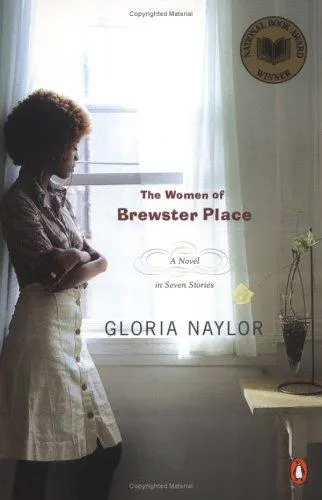
If you loved the way Jazz makes a neighborhood speak, Brewster Place is essential. Naylor builds her novel from the interlocking lives of seven women on a worn, dead-end street; each voice has its own cadence, yet gossip, memory, hardship, and mutual care gradually form a communal music.
Naylor is especially good at giving ordinary gestures—cooking, arguing through walls, watching from windows—the density of history. The novel can be tender, comic, furious, and devastating without flattening its women into emblems. Winner of the National Book Award for First Novel, it remains beloved because Brewster Place becomes more than a setting: it becomes a consciousness you briefly inhabit and do not quite leave.
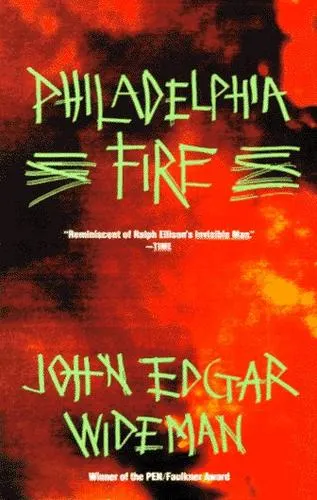
Morrison’s narrator in Jazz revises itself, addresses the reader, and discovers that a city cannot be contained by one story. Wideman pushes that instability into harsher territory. Beginning with Cudjoe’s return to Philadelphia to search for a child believed missing after the 1985 MOVE bombing, the novel splinters into competing voices, memories, public myths, and the author’s own troubled presence.
This is not smooth historical reconstruction; it is improvisation under moral pressure. Wideman makes broken form answer to broken civic memory, while his sentences move between street speech, lament, accusation, and lyric flight. The novel won the PEN/Faulkner Award, but its greater distinction is its refusal to make catastrophe comfortably legible. Readers drawn to Jazz’s daring narrative intelligence will find here a fiercer, more openly dissonant masterpiece.