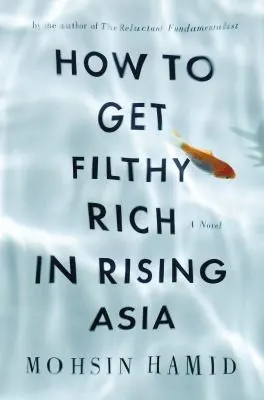
Books like How to Get Filthy Rich in Rising Asia
Sleek, funny, and faintly devastating: these novels turn ambition into both a survival strategy and a measure of what time, money, and reinvention quietly take from us.
If you liked How to Get Filthy Rich in Rising Asia, you’ll love these
Not lookalikes — kindred books. Each one shares something essential with How to Get Filthy Rich in Rising Asia, and we tell you exactly what.
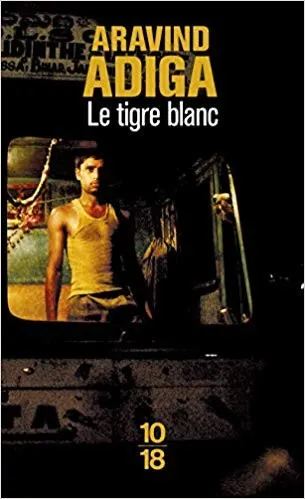
Balram Halwai narrates his rise from village poverty to entrepreneurship in letters to China’s premier, offering a success story so charismatic, furious, and morally compromised that the reader becomes his uneasy confidant. Like Hamid, Adiga adopts the language of self-improvement only to expose the violence hidden inside economic miracles.
Winner of the Booker Prize, The White Tiger is harsher and more ferocious than Hamid’s novel, but it shares its exhilarating velocity and its refusal to sentimentalize poverty. Balram’s voice—comic, observant, appalling, impossible to dismiss—makes this one of the essential novels about what “getting ahead” can mean in a society designed to keep most people behind.
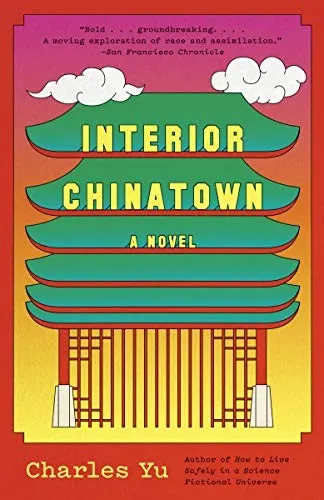
Willis Wu lives as though trapped in a screenplay, graduating through such roles as Background Oriental Male while dreaming of becoming Kung Fu Guy. Charles Yu turns that ingenious conceit into a moving examination of aspiration: what happens when the identity you strive for is itself a part written by someone else?
A National Book Award winner, Interior Chinatown shares Hamid’s gift for making an audacious narrative device feel intimate rather than gimmicky. Its second-person passages, deadpan comedy, and abrupt shifts into vulnerability implicate the reader in Willis’s struggle. Beneath the satire lies the same aching question: after mastering the rules for advancement, have you built a life—or merely performed one?
If what lingers most from Hamid’s novel is the breathtaking compression of an entire life, read Jennifer Egan. Her Pulitzer-winning novel moves among interconnected characters and radically different forms, letting decades pass in a cut and showing success, failure, love, and regret from angles that continually revise one another.
Egan’s subject is not upward mobility alone but time—the invisible force that converts desire into memory and fashionable certainty into embarrassment. The formal bravado, including its celebrated PowerPoint chapter, never eclipses the people. Like Hamid, Egan can be coolly clever in one sentence and unexpectedly tender in the next; few novels make experimentation feel so emotionally necessary.