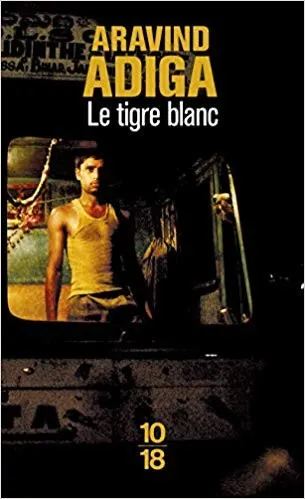
Books like The White Tiger
Each of these novels slips a lit match into the machinery of respectability, then lets a dazzlingly persuasive voice show you who profits from the smoke.
If you liked The White Tiger, you’ll love these
Not lookalikes — kindred books. Each one shares something essential with The White Tiger, and we tell you exactly what.
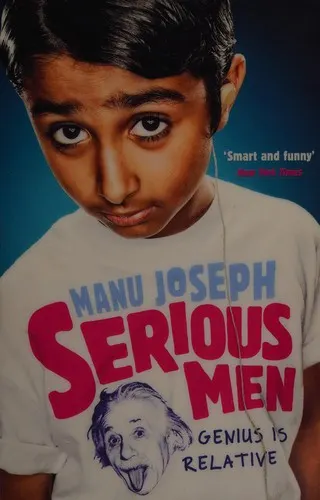
Ayyan Mani, a clever clerk at a prestigious scientific institute, survives by observing the vanity of the eminent men above him—and by turning their assumptions to his advantage. Like Balram Halwai, he is funny because he sees the social order with merciless clarity, and alarming because intelligence denied legitimate power will invent power of its own.
Joseph’s satire is cooler and more intricate than Adiga’s, especially on caste, credentialism, marriage and institutional prestige. Winner of both The Hindu Literary Prize and the PEN Open Book Award, Serious Men is a superb novel of resentment becoming strategy. If Balram’s audacity thrilled you even when it implicated you, Ayyan’s schemes are irresistible.
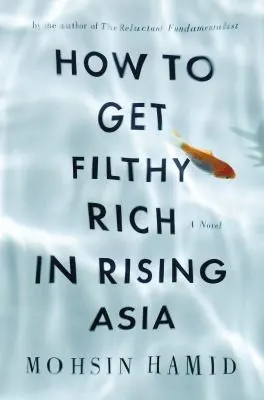
Hamid disguises a life story as a self-help manual, addressing its unnamed protagonist—and you—as someone determined to escape poverty and become rich. Each brisk chapter offers another rule for advancement, while quietly exposing the bodily cost, moral compromise and sheer luck concealed by the language of success.
The kinship with The White Tiger lies in its unsentimental understanding of upward mobility: poverty is not ennobling, wealth is not cleansing, and entrepreneurship can be both liberation and predation. Yet Hamid adds an unexpected tenderness, compressing an entire life into a lucid, moving fable. It is the rare satire of capitalism that can make you laugh at its slogans and mourn everything they leave out.
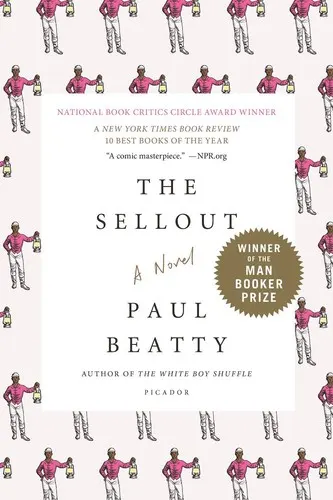
The Sellout begins with its narrator before the United States Supreme Court, reflecting on the chain of outrageous decisions that brought him there. From that opening, Beatty unleashes a torrent of jokes, provocations and verbal reversals aimed at race, liberal piety, civic mythology and the comforting belief that social progress moves neatly forward.
What Balram does to the success story, Beatty does to the post-racial story: he hands it to a narrator too intelligent, wounded and unruly to repeat it politely. The comedy is more surreal and linguistically explosive than Adiga’s, but it produces the same dangerous pleasure of hearing forbidden conclusions spoken aloud. Winner of the Booker Prize and the National Book Critics Circle Award, it is not merely notorious; it is one of the defining satires of contemporary American fiction.