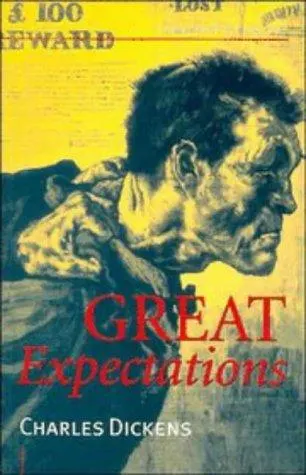
Books like Great Expectations
Great Expectations cuts deepest when Pip realizes that becoming a gentleman has chiefly taught him to feel ashamed of the people who loved him first. Its suspense matters, but its real drama is the slow correction of a young man’s idea of his own life.
If you liked Great Expectations, you’ll love these
Not lookalikes — kindred books. Each one shares something essential with Great Expectations, and we tell you exactly what.

Like Pip, Philip Carey tries to construct a self that will free him from humiliation. He pursues education, sophistication and romantic fulfillment, repeatedly mistaking desire for destiny. Maugham is exceptionally candid about the indignities of infatuation: Philip’s attachment to the casually cruel Mildred has the same painful mixture of vanity, hope and self-deception as Pip’s devotion to Estella.
Widely regarded as Maugham’s masterpiece, this autobiographically inflected novel earns its length through accumulated moral experience. Its great reward is not triumph but clearer sight—the discovery that an ordinary life, honestly valued, may be richer than the splendid future one imagined. Anyone moved by Pip’s belated humility should read Philip’s equally hard-won education.
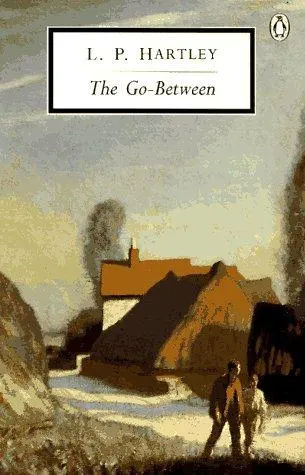
Hartley gives us another older narrator returning to the moment when childhood expectations became adult damage. Leo, visiting a wealthy school friend’s country house, is dazzled by privilege and eager to belong. Because he does not understand the passions and class rules surrounding him, he interprets adult behavior with a child’s ingenuity—and becomes useful to people who understand far more than he does.
The novel has the gathering inevitability of the best sections of Great Expectations: summer heat, social embarrassment and small errands acquire an almost gothic pressure. Hartley’s celebrated opening sentence is only the doorway into a book whose emotional precision has kept it an English classic. Few novels show so hauntingly how the story we tell about our youth can imprison us long after youth is gone.
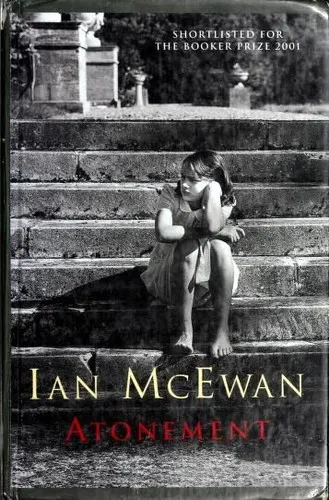
Great Expectations repeatedly asks what happens when imagination outruns moral understanding. Atonement makes that question its governing force. At a country house in 1935, the young Briony Tallis—intelligent, theatrical and fiercely attached to orderly stories—tries to interpret charged encounters between her sister Cecilia and Robbie Turner. Her confidence is more dangerous than her ignorance.
McEwan’s exact, sensuous prose turns glances, broken objects and misunderstood gestures into sources of terrible suspense. Like Dickens, he is interested not merely in guilt but in whether storytelling can repair what life will not. Booker-shortlisted and now firmly established as a modern classic, Atonement offers the rare combination Great Expectations achieves: a compulsive narrative whose deepest revelations concern the responsibilities of the person doing the narrating.