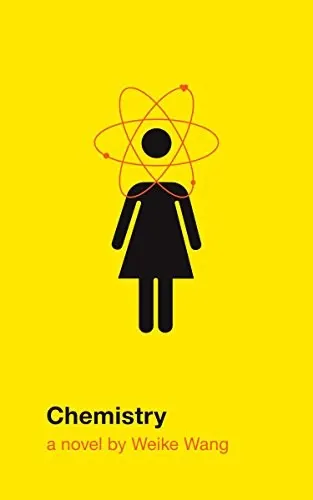
Books like Chemistry
Chemistry makes paralysis exhilarating: its clipped fragments turn scientific facts, parental pressure, and romantic doubt into a deadpan record of a mind too intelligent to accept the life prescribed for it.
If you liked Chemistry, you’ll love these
Not lookalikes — kindred books. Each one shares something essential with Chemistry, and we tell you exactly what.
Chang’s narrator observes her job, her white boyfriend, and her Chinese American identity with the same cool, destabilizing intelligence that animates Chemistry. Small remarks and ordinary interactions reveal hidden structures of race and power; historical fragments interrupt the present until private uncertainty begins to look inseparable from inherited history.
Chang never flattens ambivalence into a lesson. Her prose is wry, searching, and quietly accumulative, capturing how a person can love someone while questioning the world that shaped their relationship. This acclaimed debut offers the rare pleasure of watching thought itself become narrative.
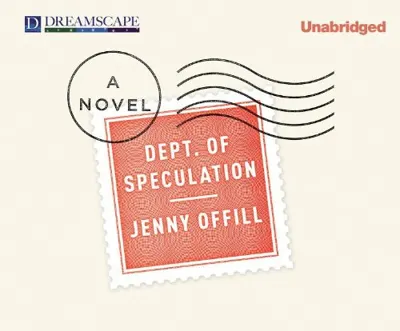
If Chemistry’s fragments felt less like a stylistic flourish than the natural shape of consciousness, read this. Offill builds a life from compressed scenes, stray facts, jokes, quotations, and sudden emotional detonations. Intellectual curiosity is not decoration here: science and philosophy become tools the narrator uses to measure domestic life and her endangered ambitions.
Named one of The New York Times Book Review’s ten best books of 2014, Dept. of Speculation helped establish the possibilities of the contemporary fragmentary novel. It is tiny, exact, painfully funny—and capable of making a single paragraph feel as consequential as a chapter elsewhere.
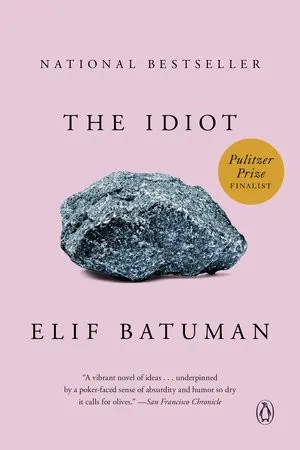
Selin, a Harvard freshman in 1995, encounters college, language study, email, and an elusive romantic attachment as if nobody has supplied her with the rules. Like Wang’s narrator, she is brilliant without being practically decisive, and her apparent passivity masks a ferociously active intelligence. Batuman’s comedy comes from letting that intelligence examine every conversational absurdity past the point where most novels would look away.
This Pulitzer finalist is roomier and more digressive than Chemistry, but it shares its deepest generosity: uncertainty is not treated as immaturity to be cured. Selin’s bewilderment becomes a philosophy, and Batuman’s sentences make it addictive.