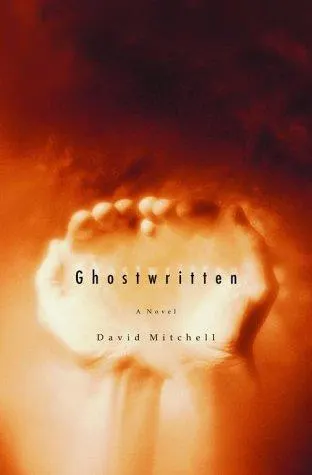
Books like Ghostwritten
Ghostwritten makes a Tokyo record shop, a Mongolian tea stall, and a disembodied mind feel like stations on one invisible circuit; its true protagonist is the current passing between strangers.
If you liked Ghostwritten, you’ll love these
Not lookalikes — kindred books. Each one shares something essential with Ghostwritten, and we tell you exactly what.
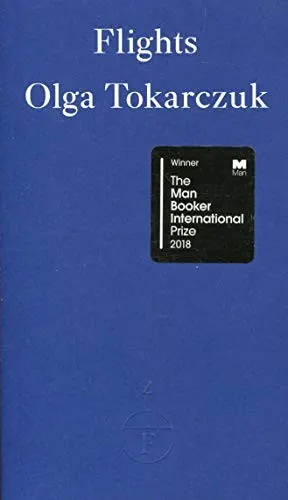
Tokarczuk builds her novel from restless fragments: airports, maps, anatomy, preserved bodies, historical curiosities, and travelers unable to remain still. Like Ghostwritten, it trusts juxtaposition to reveal connections more powerfully than a conventional plot could. Each new voice seems independent until motifs begin crossing the gaps, creating the sensation that the whole planet shares one nervous system.
Jennifer Croft’s translation helped Flights win the 2018 Man Booker International Prize, before Tokarczuk’s Nobel brought her still wider recognition. Yet its prestige understates its peculiar magnetism: this is a book readers carry around, reopen at random, and find newly connected to itself. If Ghostwritten taught you to enjoy narrative as migration, Flights is indispensable.
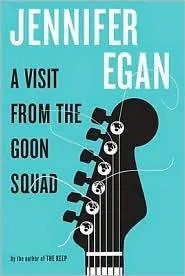
It begins with Sasha stealing a wallet while on a date, then shifts toward Bennie, an aging music executive—and keeps passing narrative authority from one person to another. A peripheral figure becomes central; decades contract into a sentence; an apparent detour quietly alters everything around it. Egan shares Mitchell’s gift for making each section feel satisfying alone while charging it with meanings supplied elsewhere.
The voices and forms change radically, but never as empty virtuosity: every experiment sharpens the novel’s concern with time, damage, memory, and the selves people leave behind in other people’s stories. Its Pulitzer was recognition for a genuine expansion of what a novel could do. Few books make structural ingenuity feel this humane—or rereading feel so necessary.
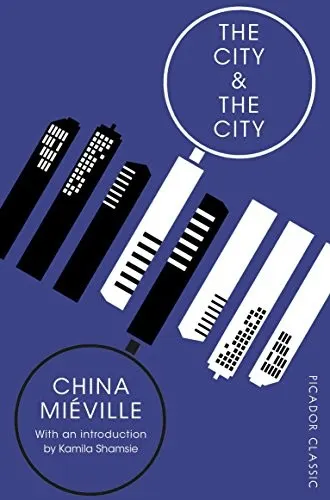
A murdered woman is found in Besźel, where Inspector Tyador Borlú must investigate under an extraordinary civic constraint: another city occupies much of the same physical space, and its inhabitants must be consciously unseen. Miéville makes that impossible premise feel bureaucratic, ordinary, and increasingly unnerving.
This is the recommendation for the reader who loved Ghostwritten’s slippage between thriller, speculative fiction, and metaphysical inquiry. Both novels place an invisible order beneath everyday life and ask how much reality depends on habits of attention. The City & the City remains a taut detective story even as it becomes a profound argument about borders and perception—a rare feat that earned both the Hugo and Arthur C. Clarke Awards. Once you learn how its citizens see, your own city looks less stable.