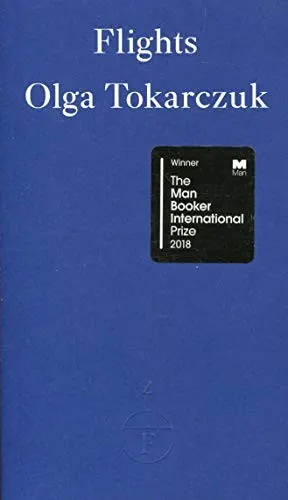
Books like Flights
After its final fragment, the appetite is for another book that thinks through bodies, objects, memory, and motion—not by drawing a straight line, but by making scattered pieces suddenly form a constellation.
If you liked Flights, you’ll love these
Not lookalikes — kindred books. Each one shares something essential with Flights, and we tell you exactly what.
Ugrešić builds this novel of exile from photographs, inventories, anecdotes, quotations, and apparently stray objects. Its emblem is a museum display cataloguing the miscellaneous contents of a walrus’s stomach: an absurd but moving model for how displaced lives preserve themselves.
Like Tokarczuk, Ugrešić understands that fragments can carry more emotional voltage than continuous narrative. Her wit is sharper and more melancholy, especially when she examines nostalgia, lost countries, and the unreliable stories attached to photographs. This defining work by the Neustadt Prize–winning writer turns formal play into an intimate account of what survives upheaval. Miss it, and you miss one of the great literary museums of memory.
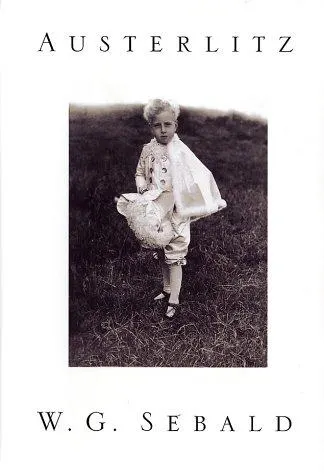
A chance encounter in an Antwerp railway station opens into a hypnotic investigation of architecture, travel, photographs, and buried history. Sebald’s long, tidal sentences move through stations, fortresses, libraries, and waiting rooms as though physical structures might disclose what human memory cannot.
The kinship with Flights lies in that roaming, essayistic intelligence: observation becomes digression, digression becomes revelation. Yet Austerlitz has its own unmistakable atmosphere—hushed, uncanny, and cumulatively devastating. Winner of the National Book Critics Circle Award, it is among the rare novels whose form changed what readers thought fiction could contain. Once entered, its world is difficult to leave.
This novel arrives as twenty-seven unbound sections in a box; only “First” and “Last” are fixed, while the middle can be read in any order. That is no gimmick. A sportswriter’s arrival in an unfamiliar city releases involuntary memories of a friend’s illness, and chance determines how recollection interrupts the present—much as it does in life.
Where Flights makes wandering a philosophy, Johnson makes it a physical reading experience. Streets, assignments, jokes, embarrassment, friendship, and the failing body keep colliding without becoming tidy. Long regarded as a landmark of British experimental fiction, The Unfortunates proves that formal audacity can intensify grief rather than distance it. Every shuffled reading creates a different route through the same loss.