Books like Gantenbein
The self feels provisional: a role rehearsed in language, a lover glimpsed through competing versions, a life made bearable—and less trustworthy—by the stories told about it. These novels continue Frisch’s blend of formal mischief, erotic unease, and melancholy.
If you liked Gantenbein, you’ll love these
Not lookalikes — kindred books. Each one shares something essential with Gantenbein, and we tell you exactly what.
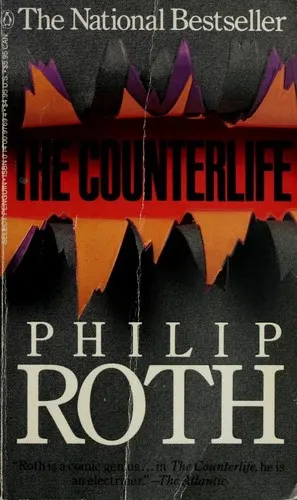
Roth builds this National Book Critics Circle Award winner from incompatible versions of the same lives. Characters revise one another, alternatives acquire the force of fact, and narration becomes an argument about whether anyone exists outside the stories imposed on them.
Like Frisch, Roth makes metafiction feel urgently personal. The structural games are inseparable from sex, marriage, resentment, and the wish to escape one’s assigned identity. It is dazzlingly intelligent but never merely clever: every new possibility exposes another emotional liability. For the exhilarating sensation that a novel is inventing its form while interrogating the person reading it, The Counterlife is indispensable.
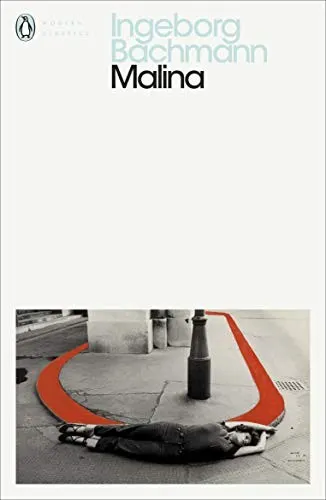
Malina takes the divided self that Gantenbein treats through masks and hypothetical biographies and moves it into a far more feverish register. Its unnamed narrator lives between Ivan, the object of her consuming desire, and Malina, the composed male presence with whom she shares her home. Diary-like passages, dialogue, letters, fairy tale, and dream press against one another as ordinary language begins to prove inadequate.
Bachmann’s only completed novel, the surviving cornerstone of her projected Ways of Death cycle, has become a landmark of postwar German-language literature. Its devotees return to it because its formal fractures do not decorate psychological pain; they embody it. Malina offers the rare, unsettling experience of watching identity happen—and fail to happen—inside sentences.
A casual remark from Vitangelo Moscarda’s wife—that his nose tilts slightly—reveals that the man other people see is not the man he imagines himself to be. From that tiny disturbance Pirandello launches a comic, increasingly radical inquiry into personality: every observer creates a different Moscarda, while Moscarda’s attempts to seize control only multiply him further.
The kinship with Gantenbein lies in its central delight and terror: identity is not a hidden essence but a swarm of performances, anecdotes, and viewpoints. Pirandello’s prose can be conversationally funny one moment and philosophically vertiginous the next. This late masterpiece by the future Nobel laureate still feels startlingly modern—a compact demolition of the fantasy that one person can possess one stable life.