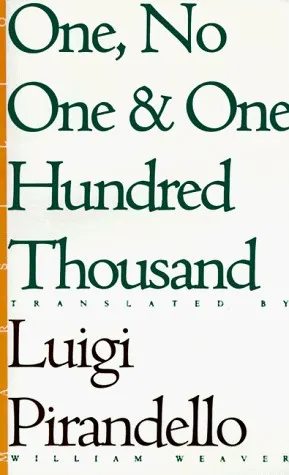
Books like One, No One and One Hundred Thousand
Pirandello’s One, No One and One Hundred Thousand and Witold Gombrowicz’s Ferdydurke turn the discovery that other people manufacture your identity into outrageous, liberating comedy. These three novels pursue that crisis in sharply different ways.
If you liked One, No One and One Hundred Thousand, you’ll love these
Not lookalikes — kindred books. Each one shares something essential with One, No One and One Hundred Thousand, and we tell you exactly what.
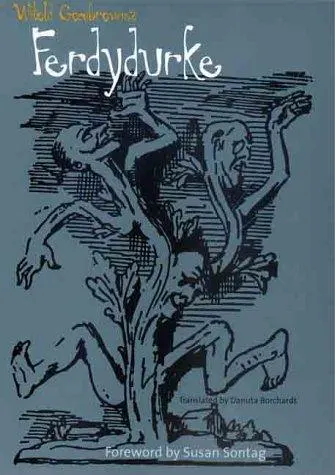
A thirty-year-old writer is abruptly treated as a schoolboy—and Gombrowicz makes this absurd humiliation the basis of a ferocious theory of social life. Everyone forces a “form” on everyone else: mature or childish, cultivated or vulgar, modern or provincial. Like Pirandello, he understands that the self is not merely misunderstood by others; it is partly fabricated by their expectations.
The novel’s philosophical force arrives through grotesque set pieces, verbal mischief, quarrels and embarrassment rather than solemn argument. A landmark of Polish modernism and the book that established Gombrowicz’s distinctive genius, Ferdydurke has the rare capacity to alter how its devotees see every conversation: afterward, ordinary social behavior looks like a carnival of masks, poses and mutual coercion.
At the Swiss border, a detained man insists that he is not the sculptor Anatol Stiller, despite mounting evidence and testimony to the contrary. He begins filling notebooks with stories, denials and possible selves. Where Pirandello sends identity spinning into metaphysical farce, Frisch builds a patient, gripping interrogation: can refusing your biography free you, or is refusal merely another role?
Frisch makes the problem painfully intimate. Lovers, friends and institutions each possess a version of the man, and those versions have emotional claims he cannot dismiss by argument. One of the defining postwar German-language novels, I’m Not Stiller turns an ingenious premise into something rarer: a book about how identity can become both a prison and a debt to other people.
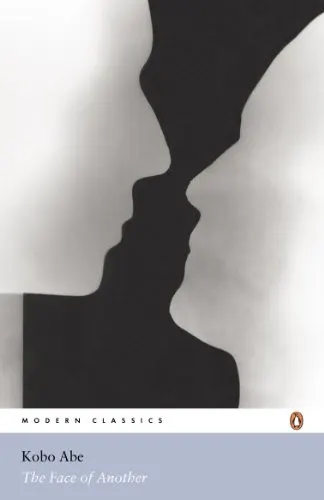
After an accident leaves a scientist’s face severely disfigured, he begins designing a lifelike mask. Abe is interested not simply in disguise but in the terrifying possibility that a face is a social instrument—that personality, desire and morality may change when the world looks back at us differently.
The scientist’s cool, meticulous account gradually acquires the pressure of a confession. Pirandello’s question—who am I apart from the images others hold of me?—becomes tactile here: skin, expression, anonymity and shame all enter the argument. Abe, one of Japan’s great modernist novelists, combines Kafka-like estrangement with a precision entirely his own. The Face of Another is the darker companion Pirandello’s novel deserves, carrying its comedy of masks into haunting psychological territory.