Books like Extinction
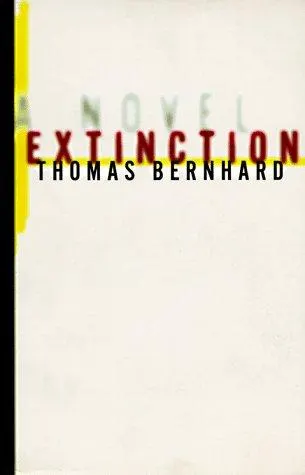
The page becomes a pressure chamber: Murau’s accusations circle back, gather force and grow so excessive that disgust keeps tipping into exhilarated laughter. Repetition does not stall the voice; it tightens the trap, implicating speaker, family, nation and reader alike. The deepest affinities belong to novels in which thought itself becomes both weapon and wound.
If you liked Extinction, you’ll love these
Not lookalikes — kindred books. Each one shares something essential with Extinction, and we tell you exactly what.
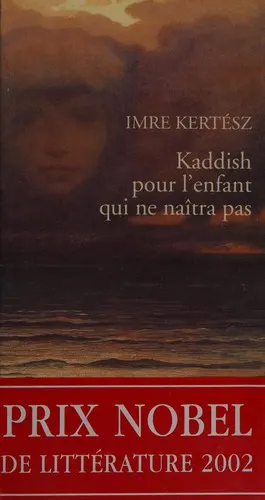
Kertész begins with a thunderous “No!”—the narrator’s answer when asked whether he has a child—and makes an entire novel unfold from that refusal. Like Murau, his speaker cannot state anything without reopening it, qualifying it and putting himself on trial. Every sentence seems to argue against the previous sentence while driving the argument deeper.
Where Bernhard accumulates, Kertész strips away. His dry, ferocious logic exposes how historical catastrophe has entered the most private ideas of family, inheritance and survival. The comedy is severe but unmistakable: reason becomes so exacting that it reveals its own madness. Kertész’s Nobel Prize recognized precisely this confrontation between individual life and the barbarism embedded in modern history. Few novels match Extinction’s sense that a monologue can be confession, indictment and act of resistance all at once.
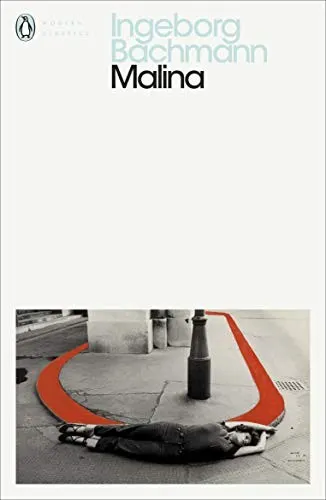
If Bernhard turns the sentence into a weapon, Bachmann asks what happens when that weapon is already lodged inside the speaker. Malina presents an unnamed “I” in Vienna among the enigmatic Malina and the desired Ivan, but its real action occurs in language: conversations fracture, letters fail, memories intrude and identity begins to look less like a possession than a contested space.
Bachmann’s only completed novel has become a cornerstone of postwar German-language literature and a touchstone for generations of feminist writers, including Elfriede Jelinek. Its kinship with Extinction lies not simply in Austrian darkness but in its ruthless understanding that public violence survives inside intimate speech. Yet Bachmann’s lyric radiance makes the experience entirely her own. Malina is one of those rare books that changes what psychological realism seems capable of containing.
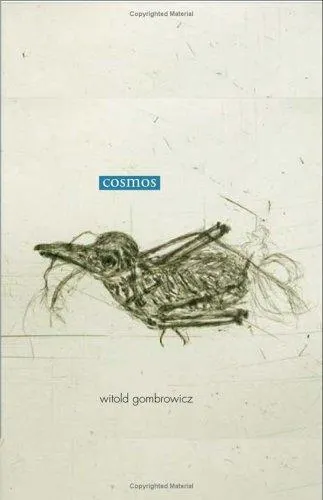
A young man arrives at a boarding house and notices a hanged sparrow. From that tiny disturbance, his attention begins manufacturing connections: objects rhyme with gestures, accidents resemble clues, and the world seems always on the verge of disclosing a pattern—or exposing the mind that insists upon one.
Gombrowicz converts the obsessive momentum of a Bernhard monologue into a grotesque detective story about interpretation itself. The narrator’s scrutiny is hilarious, queasy and increasingly self-incriminating; trivial details acquire the pressure of metaphysical evidence. Like Murau, he cannot escape the reality his own language has created.
Cosmos was Gombrowicz’s final novel and earned him the 1967 International Prize for Literature, confirming the stature of a writer whose admirers prize his unique mixture of philosophical audacity and low comedy. Anyone intoxicated by Extinction’s ability to make obsession feel like a complete intellectual method should not miss it.