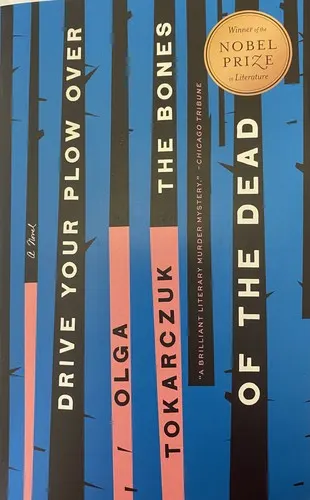
Books like Drive Your Plow Over the Bones of the Dead
The reader who falls hardest for Drive Your Plow delights in moral ferocity spoken through an eccentric, unforgettable consciousness: fiction that is funny, uncanny, furious about human cruelty, and unwilling to keep mystery, philosophy, and protest in separate rooms.
If you liked Drive Your Plow Over the Bones of the Dead, you’ll love these
Not lookalikes — kindred books. Each one shares something essential with Drive Your Plow Over the Bones of the Dead, and we tell you exactly what.
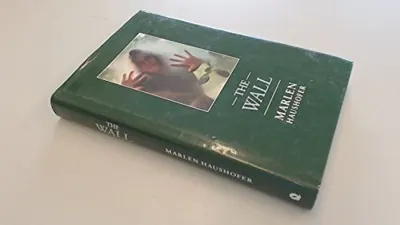
A woman staying at an Alpine hunting lodge wakes to find herself cut off from the world by an invisible barrier. Haushofer turns that impossible premise into a precise account of work, solitude, weather, and companionship with animals.
Like Tokarczuk, she quietly strips humanity of its assumed supremacy. The animals are not symbols or consoling accessories; their needs shape the narrator’s ethics and her understanding of survival. Her calm, practical voice makes every observation carry moral weight. Published in 1963 and gradually reclaimed as a feminist and ecological classic, The Wall has the rare severity of a book that can permanently alter how its readers regard civilization—and what lies beyond it.
Ninety-two-year-old Marian Leatherby acquires a hearing trumpet and discovers that her family intends to place her in an institution. From there, Carrington makes respectable reality look far stranger than anything her supposedly dotty heroine imagines.
This is the choice for readers who loved Janina’s glorious refusal to behave like a credible old woman. Marian is candid, curious, stubborn, and immune to the authority of people who mistake conformity for sanity. Carrington’s cult novel mixes deadpan comedy, occult mystery, female fellowship, and joyous revolt with absolute conviction. Few books are so hospitable to the elderly, the eccentric, and the non-rational—or so gleefully destructive of the world that excludes them.
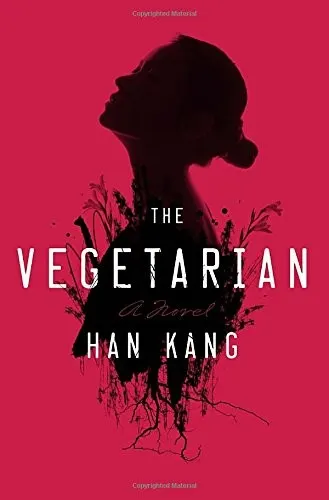
After a disturbing dream, Yeong-hye stops eating meat. Her apparently private decision becomes intolerable to those around her, and their responses reveal how quickly love, family, and social order can become instruments of coercion.
Where Tokarczuk gives us an outspoken accuser, Han centers a woman whose refusal is largely interpreted by others. That formal choice makes the novel devastating: the less Yeong-hye explains herself, the more violently everyone insists on owning her body and defining what counts as human. Winner of the International Booker Prize, The Vegetarian has become a contemporary classic because its beauty is inseparable from its horror. It shares Drive Your Plow’s deepest provocation: perhaps the people called irrational are simply those who can no longer consent to ordinary brutality.