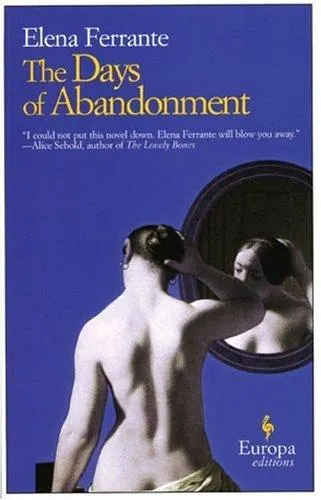
Books like The Days of Abandonment
The terror of The Days of Abandonment is not simply that Olga loses control, but that Ferrante makes control itself look like a thin social performance—one betrayal away from collapse.
If you liked The Days of Abandonment, you’ll love these
Not lookalikes — kindred books. Each one shares something essential with The Days of Abandonment, and we tell you exactly what.
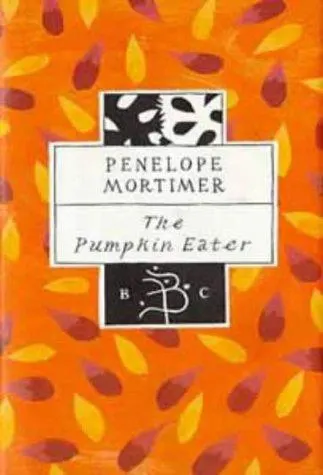
Mortimer’s mordantly funny, frightening novel begins with a mother of many children sitting in a psychiatrist’s office, her marriage and sense of self coming apart. Like Ferrante, she refuses to make breakdown decorous: domestic life becomes absurd, bodily, and coercive, while the people around her treat female distress as a problem to be managed.
First published in 1962 and later reclaimed as an essential feminist classic, The Pumpkin Eater has the unnerving freshness of a book that saw through respectable marriage before respectable culture had language for doing so. Its black comedy is different from Ferrante’s feverishness, but its intelligence is just as merciless.
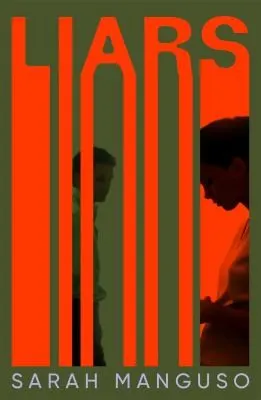
Liars offers the closest contemporary equivalent to Olga’s unsparing testimony. Manguso compresses years of marriage into short, blade-like paragraphs, recording how love, motherhood, artistic ambition, and domestic labor become distorted by a husband’s selfishness. The narrator watches herself being cast as unreasonable while supplying devastating evidence that her anger is a form of accuracy.
Manguso’s sentences are colder and more aphoristic than Ferrante’s, yet they produce the same illicit exhilaration: a woman says what marriage usually trains her not to say. Widely acclaimed on its 2024 publication, Liars already inspires the fervent recognition reserved for novels readers press urgently into one another’s hands.
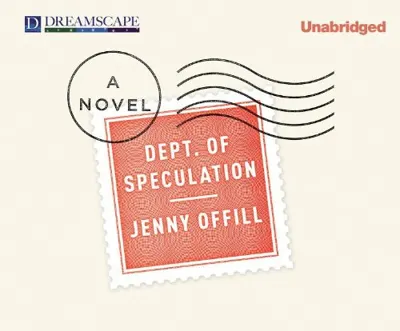
Where Ferrante plunges into continuous psychic free fall, Offill constructs a marital crisis from glittering fragments: jokes, facts, quotations, memories, and moments of domestic dread. The fractured form is not ornamental. It captures a mind trying to survive betrayal by sorting experience into pieces small enough to hold.
A PEN/Faulkner Award finalist, Dept. of Speculation became one of the most influential short novels of recent decades, and deservedly so. It is funny without softening pain, formally daring without losing intimacy, and acute about the collision between intellectual ambition and the repetitive demands of care. Its slimness is deceptive; like Ferrante’s novel, it leaves the reader feeling scorched and newly articulate.