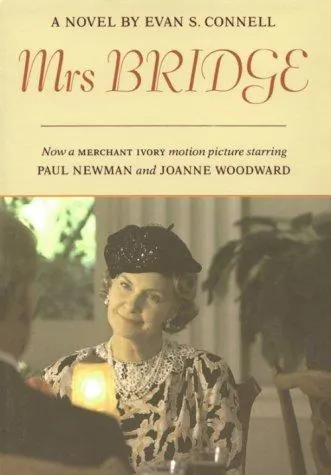
Books like Mrs. Bridge
How much of a life can vanish into good manners, daily errands, and feelings a person never learns to name? These three novels share Connell’s gift for making ordinary habits disclose whole emotional histories.
If you liked Mrs. Bridge, you’ll love these
Not lookalikes — kindred books. Each one shares something essential with Mrs. Bridge, and we tell you exactly what.
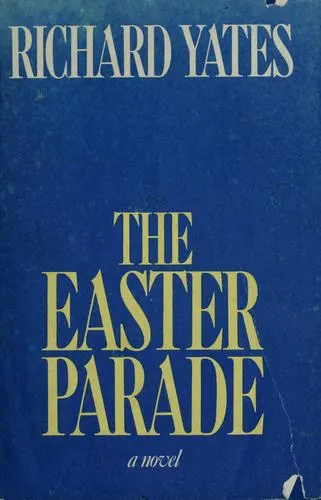
Yates begins with the blunt declaration that neither of the Grimes sisters will have a happy life, then lets that unhappiness emerge through choices, conversations, and evasions rather than melodrama. Like Connell, he can make a conventional phrase or minor social embarrassment expose years of need.
One of Yates’s most admired novels, The Easter Parade has Mrs. Bridge’s devastating compression: decades pass in clean, exact scenes, while the characters remain only partly aware of what their lives have become. It is harsher than Connell’s novel, but equally lucid about the stories respectable people tell themselves—and just as difficult to shake.
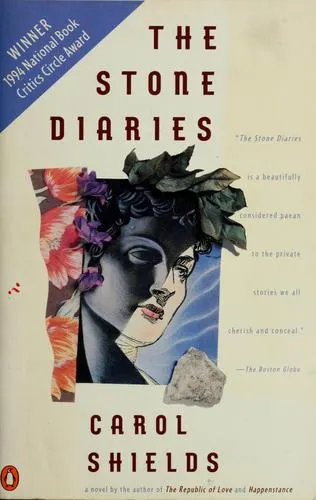
Daisy Goodwill’s life is assembled from recollection, family lore, photographs, letters, and conspicuous gaps. That form makes the novel a brilliant companion to Mrs. Bridge: both ask how a woman can be surrounded by evidence of her existence yet remain elusive even to herself.
Shields brings more playfulness and formal invention than Connell, but she shares his fascination with the domestic detail that suddenly opens into loneliness. Winner of the Pulitzer Prize and Canada’s Governor General’s Award, The Stone Diaries is celebrated because its apparent modesty proves deceptive: it quietly challenges whether any life—especially a dutiful woman’s life—can be truthfully told.
Pym follows four aging office workers whose relationships consist largely of routines, guarded remarks, and awkward attempts at kindness. Her comedy resides in tiny breaches of decorum; her tragedy lies in how rarely these people manage to say what they mean. A reader who loved Connell’s bridge tables, social formulas, and exquisitely uncomfortable silences will recognize the pressure beneath every polite exchange.
Shortlisted for the Booker Prize, Quartet in Autumn helped restore Pym’s reputation after years of neglect. It is funnier than its subject sounds and more moving than its characters would permit themselves to admit—a spare, humane masterpiece about the distance between social usefulness and being truly known.