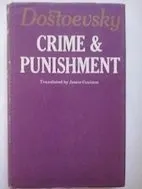
Books like Crime and Punishment
Crime and Punishment is most terrifying when Raskolnikov’s brilliant arguments begin to sound like a cell he has built around himself. These three novels create that same intimacy with minds that reason their way toward moral catastrophe.
If you liked Crime and Punishment, you’ll love these
Not lookalikes — kindred books. Each one shares something essential with Crime and Punishment, and we tell you exactly what.
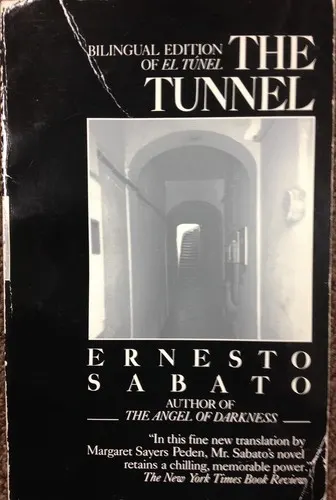
In the first sentence, painter Juan Pablo Castel tells us that he murdered María Iribarne. Suspense comes not from discovering what happened, but from being trapped inside the jealous, hyper-rational intelligence that made it possible.
Like Raskolnikov, Castel mistakes intellectual isolation for superiority. Every inference seems lucid in the moment, yet each narrows his world further. Sabato’s short, ferocious novel turns logic into claustrophobia and confession into another form of self-justification. Camus helped secure its French publication, and its reputation as an existential classic is deserved: few novels so efficiently make a consciousness become its own punishment.
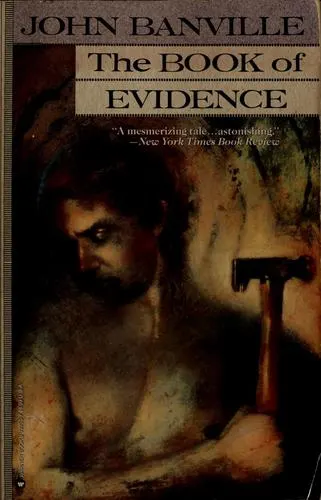
Freddie Montgomery addresses us from custody in prose of extraordinary elegance, attempting to explain the unforgivable. His cultivated voice is witty, observant and seductive—but every beautiful sentence raises the suspicion that beauty itself is being used as an alibi.
A reader fascinated by Raskolnikov’s oscillation between pride, dread and the desire to confess will recognize the moral drama, though Banville makes it colder and more aesthetically treacherous. Shortlisted for the Booker Prize, The Book of Evidence is among the finest novels about the gap between understanding guilt and truly seeing another person. It makes the reader an unwilling juror—and tests how readily eloquence can corrupt judgment.
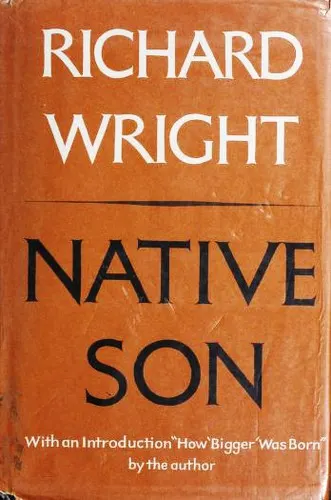
Wright begins with Bigger Thomas waking in a cramped Chicago apartment, already hemmed in by poverty, racism, fear and rage. The novel’s great power lies in refusing an easy choice between social explanation and individual responsibility: Bigger is both frighteningly constrained and irreducibly human.
Where Dostoyevsky uses feverish Petersburg to intensify Raskolnikov’s divided consciousness, Wright makes an entire social order bear down on Bigger’s every perception. The prose moves with brutal momentum, but the lasting shock is psychological—the way fear limits imagination until freedom itself becomes difficult to conceive. A literary sensation in 1940 and still fiercely debated, Native Son is indispensable because it does not merely ask who is guilty; it asks who gets the luxury of becoming a self before being judged.