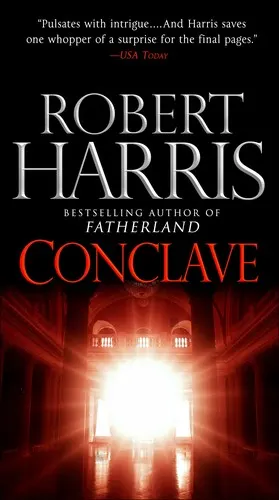
Books like Conclave
Conclave turns ballots, meal-table glances, and the wording of a homily into instruments of suspense; its real subject is what ambition does when everyone must speak the language of conscience.
If you liked Conclave, you’ll love these
Not lookalikes — kindred books. Each one shares something essential with Conclave, and we tell you exactly what.

A Cambridge college must choose a new Master, and its fellows divide into factions behind a façade of courtesy. Snow makes private conversations, procedural technicalities and tiny shifts of allegiance as consequential as Harris makes each papal ballot.
The deeper kinship is its refusal to separate principle from vanity: decent, intelligent people persuade themselves that their preferred candidate is also the morally necessary one. A centerpiece of Snow’s Strangers and Brothers sequence but entirely readable alone, The Masters is one of the sharpest novels ever written about power exercised in civilized rooms.
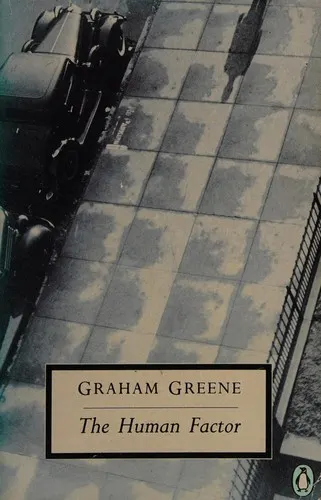
When British intelligence suspects a leak in its African section, the investigation begins not with chases but with files, lunches and guarded office conversations. Greene, drawing on his own MI6 experience, understands that bureaucracy can be terrifying precisely because it remains calm.
Like Conclave, this is suspense built upon conscience. Its characters must decide whether loyalty belongs to an institution, a belief or another human being—and every choice carries moral residue. Greene’s plain, controlled prose conceals extraordinary emotional pressure; the book quietly tightens until its apparently ordinary people seem to hold their souls in their hands.
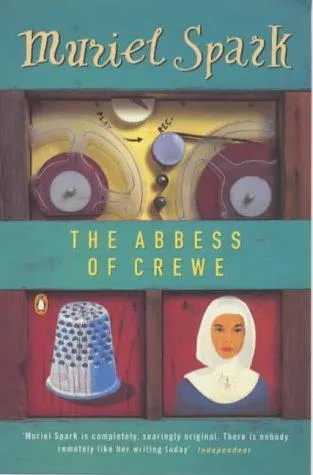
Spark offers the wickedly comic counterpart to Harris’s solemn drama: a convent election conducted through surveillance, manipulation and exquisitely phrased denials. Her Booker-shortlisted novel recasts Watergate as ecclesiastical intrigue, compressing an entire political scandal into a glittering, very short book.
Where Harris shows ambition disguising itself as spiritual duty, Spark catches power turning language itself into an accomplice. Every sentence has a trapdoor, every piety may be tactical, and the speed of the performance makes its ruthlessness even funnier. Read after Conclave, it feels like discovering the same machinery under mercilessly brighter lighting.