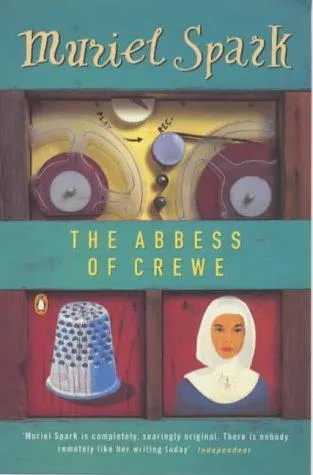
Books like The Abbess of Crewe
Readers return for the exquisite compression: Spark makes surveillance, vanity, theology and political corruption click together like parts of one malicious little clock.
If you liked The Abbess of Crewe, you’ll love these
Not lookalikes — kindred books. Each one shares something essential with The Abbess of Crewe, and we tell you exactly what.
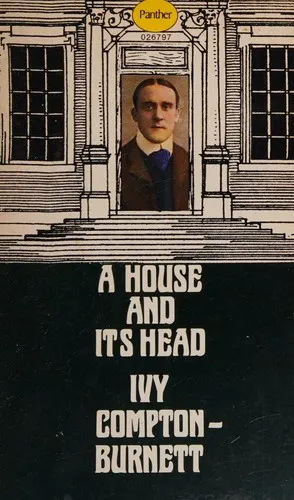
Like Spark’s convent, Compton-Burnett’s Victorian household is a miniature state ruled by a despot who treats private appetite as public law. Nearly everything happens through unnervingly formal dialogue: compliments become traps, family conversation becomes regime propaganda, and a single mild sentence can amount to a coup.
This is one of the novels on which Compton-Burnett’s formidable reputation rests. Its severity takes a few pages to tune into; then its cruelty becomes horribly funny and addictive. Anyone who relished Alexandra’s serene conversion of wrongdoing into ceremony will recognize a fellow master of power’s absurd grammar.
Ninety-two-year-old Marian Leatherby acquires a hearing trumpet and discovers that her family intends to place her in an institution. From that crisp beginning, Carrington turns institutional discipline, occult authority and respectable benevolence inside out.
Where Spark keeps her absurdities under icy control, Carrington lets them proliferate with anarchic joy. Yet both writers distrust anyone claiming a monopoly on order, sanity or spiritual truth. Long cherished as a cult classic of Surrealist fiction, The Hearing Trumpet offers the rare pleasure of a novel that is at once deadpan, liberating and genuinely unpredictable.
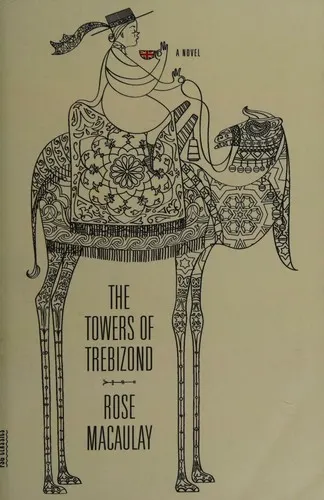
Macaulay begins with one of English fiction’s great comic sentences—“Take my camel, dear”—and proceeds in a voice capable of making missionary schemes, ecclesiastical quarrels and personal evasions equally ridiculous. The comedy is airy but never weightless: beneath it lies a piercing intelligence about belief, self-deception and the stories people construct to excuse themselves.
Winner of the James Tait Black Memorial Prize and enduringly admired by writers, this is the recommendation for readers who loved Spark’s refusal to separate spiritual questions from farce. Its wit keeps opening hidden depths; not reading it means missing one of the strangest and most haunting comic voices of the twentieth century.