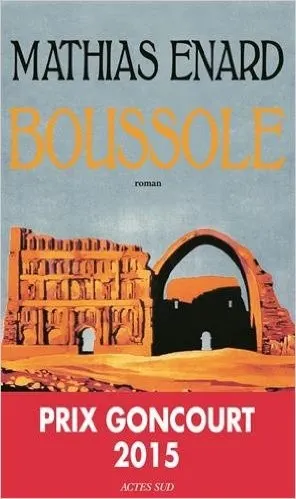
Books like Compass
Reading Compass feels like lying awake inside an exquisitely furnished mind: music, scholarship, travel, political guilt and unfulfilled desire continually change one another’s meaning. These novels offer the same rare pleasure of thought becoming sensuous and emotionally urgent.
If you liked Compass, you’ll love these
Not lookalikes — kindred books. Each one shares something essential with Compass, and we tell you exactly what.
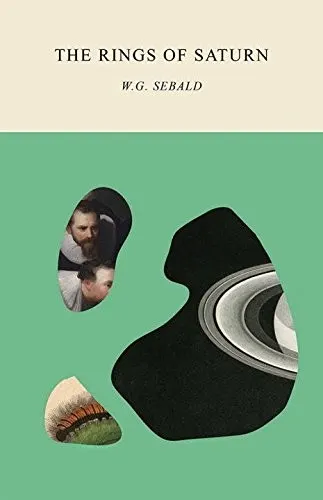
Sebald turns a walking tour of the English coast into a vast, mournful web of art, empire, natural history and private memory. A ruined house or a scrap of silk can open onto centuries of violence; every digression feels accidental until it reveals itself as indispensable.
Like Énard, Sebald makes erudition intimate rather than ornamental. His long, measured sentences carry the ache of knowing that culture’s beauty cannot be separated from what financed or destroyed it. The enigmatic photographs deepen the feeling that one is handling evidence from a half-lost world. Few books have inspired such devotion among writers and serious readers: once you surrender to its associative movement, ordinary history can seem permanently more haunted.
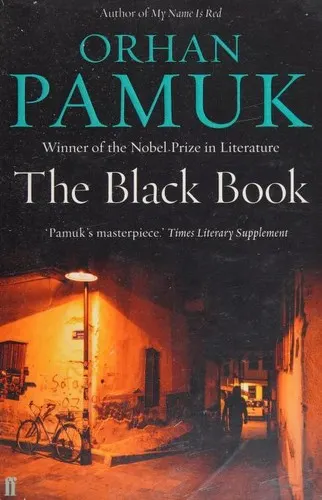
Galip wakes to find that his wife, Rüya, has disappeared, and his search leads him through Istanbul, newspaper columns, family secrets and stories nested inside stories. But the true seduction is Pamuk’s transformation of longing into interpretation: every face, street and text might contain a message meant for Galip—or might merely reflect his need to find one.
A lover of Compass will recognize the exhilarating refusal to divide East from West, scholarship from fantasy, or romantic obsession from cultural history. Pamuk treats inherited identities as performances assembled from quotations, imitations and desires. This is one of the central novels of the Nobel laureate’s career: labyrinthine, mischievous and saturated with the melancholy of wanting both a beloved and a civilization to disclose their secret selves.
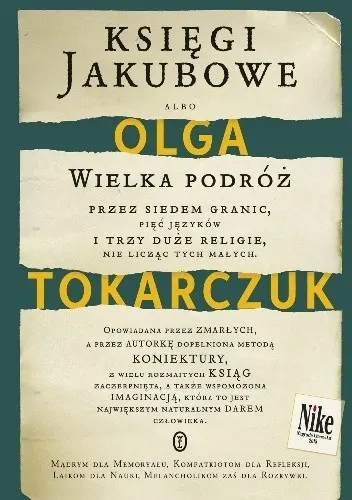
Tokarczuk’s monumental novel reconstructs the eighteenth-century world around the charismatic religious leader Jacob Frank through letters, testimony, gossip, documents and a restless multitude of voices. Its scale is immense, yet its real subject is unstable knowledge: who gets preserved by history, who is mistranslated, and how certainty changes when the viewpoint shifts.
Where Compass dismantles the fantasy of two sealed civilizations called East and West, Tokarczuk makes borders themselves look provisional—linguistic, religious, national and intellectual. Her footnotes and archival textures do not pin the past down; they make it stranger and more alive. Winner of Poland’s Nike Award and later an International Booker finalist in Jennifer Croft’s English translation, it is the kind of audacious achievement associated with Tokarczuk’s Nobel stature: demanding, polyphonic and so abundant that finishing it feels like emerging from an inhabited world.