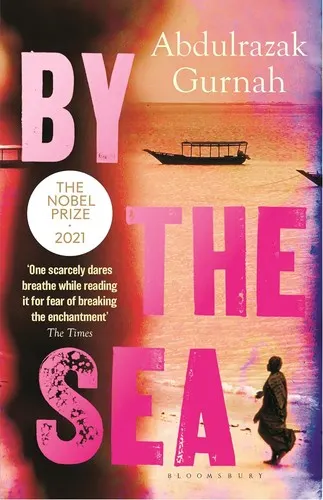
Books like By the Sea
By the Sea and Caryl Phillips’s A Distant Shore are companion pieces in the art of making exile a pressure felt in every silence, courtesy, and contested story.
If you liked By the Sea, you’ll love these
Not lookalikes — kindred books. Each one shares something essential with By the Sea, and we tell you exactly what.
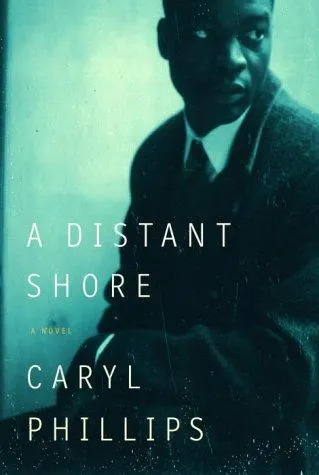
In a withdrawn English village, retired teacher Dorothy befriends Solomon, an African refugee whose reserve conceals a history the surrounding community cannot—or will not—understand. Phillips gives both characters fractured, circling narratives, allowing trust to develop through small gestures while prejudice gathers around them.
Like Gurnah, he is alert to the power imbalance between the person who must tell a story and the officials or neighbors who presume they can judge it. Yet this Booker-shortlisted novel is no thesis about asylum: it is a piercing study of loneliness, misrecognition, and the costly hope that one person might truly hear another.

A young Sudanese man returns from Europe to his village and encounters Mustafa Sa’eed, an enigmatic stranger whose polished self-possession gradually demands interpretation. From that simple opening, Tayeb Salih constructs a mesmerizing contest between confession and concealment.
Readers who admired the way By the Sea revises its own history through competing voices will recognize the same dangerous pleasure here: every revelation changes who appears injured, guilty, or in command. Salih’s language moves between riverine lyricism and psychological menace, while colonialism becomes not background but an intimate distortion of desire and identity. A landmark of modern Arabic fiction, this short novel has the density and afterlife of a book three times its length.

The kinship here lies not in geography but in moral architecture. A writer hires Emerence, an imperious older woman, as her housekeeper; their relationship becomes a struggle over affection, privacy, gratitude, and the right to possess another person’s story. Ordinary objects and domestic rituals acquire the charge that Gurnah gives the incense casket: they hold loyalties and injuries that words cannot settle.
Szabó narrates retrospectively, with the urgency of confession, but refuses the comfort of making either woman simply victim or betrayer. Often regarded as her masterpiece, The Door inspires unusual devotion because its central relationship feels both singular and painfully recognizable. Its final force comes from a question By the Sea also asks with devastating tact: what do we owe someone once they have trusted us with what they hid from everyone else?