Author
Books like Abdulrazak Gurnah
5 books we recommend to Abdulrazak Gurnah readers, drawn from Paradise and By the Sea — each with the reason why.
If you loved Paradise
Clarence, a disgraced European stranded in an unnamed African kingdom, waits obsessively for an audience with its elusive ruler. What follows has the lucid strangeness of a folktale or dream, in which Clarence understands neither the customs around him nor his own increasingly precarious position.
Like Gurnah, Laye makes bewilderment morally revealing. Ceremony shades into humiliation; hospitality carries hidden obligations; sensuous beauty intensifies rather than relieves unease. First published in 1954, this landmark of African modernism overturns the colonial adventure novel with extraordinary elegance. Its spell is difficult to describe and harder to escape.
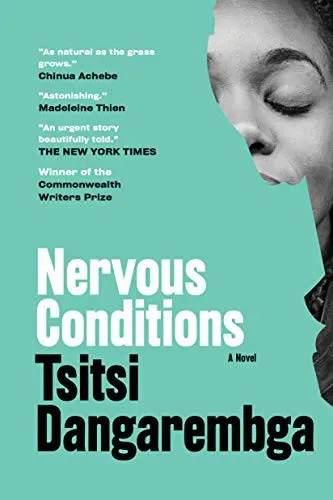
Tambudzai begins by telling us she was not sorry when her brother died. From that startling declaration, she recounts her determination to secure an education in colonial Rhodesia—and the intricate debts, loyalties, and compromises that accompany every apparent opportunity.
A reader who loved Yusuf’s alert but limited understanding will recognize Dangarembga’s great gift: letting a young narrator perceive far more than she can yet fully interpret. Family affection and domination occupy the same rooms; advancement can resemble rescue while demanding submission. Winner of the Commonwealth Writers’ Prize for Africa and now firmly established as a modern classic, Nervous Conditions is sharper and less lush than Paradise, but equally exact about the price of becoming a person in a world arranged by others.
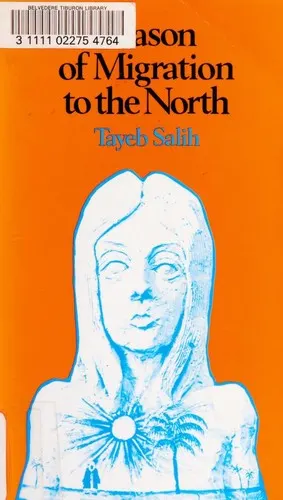
After years in Europe, an unnamed Sudanese narrator returns to his village on the Nile and becomes fascinated by Mustafa Sa’eed, a newcomer whose cultivated reserve seems to conceal another life. Salih turns that encounter into a compact, hypnotic meditation on desire, storytelling, and the colonial imagination.
This is the recommendation for readers most captivated by Paradise’s dangerous mixture of lyricism and irony. The landscape feels intimate and almost paradisal, yet history has entered it too deeply for any return to be simple. Salih’s prose moves between warmth and menace with astonishing control, while Mustafa has the magnetic opacity of a figure glimpsed through several competing stories. Widely regarded as a masterpiece of modern Arabic literature, this short novel leaves an afterimage far larger than its length.
If you loved By the Sea
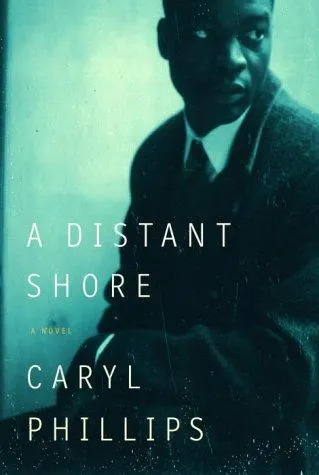
In a withdrawn English village, retired teacher Dorothy befriends Solomon, an African refugee whose reserve conceals a history the surrounding community cannot—or will not—understand. Phillips gives both characters fractured, circling narratives, allowing trust to develop through small gestures while prejudice gathers around them.
Like Gurnah, he is alert to the power imbalance between the person who must tell a story and the officials or neighbors who presume they can judge it. Yet this Booker-shortlisted novel is no thesis about asylum: it is a piercing study of loneliness, misrecognition, and the costly hope that one person might truly hear another.

The kinship here lies not in geography but in moral architecture. A writer hires Emerence, an imperious older woman, as her housekeeper; their relationship becomes a struggle over affection, privacy, gratitude, and the right to possess another person’s story. Ordinary objects and domestic rituals acquire the charge that Gurnah gives the incense casket: they hold loyalties and injuries that words cannot settle.
Szabó narrates retrospectively, with the urgency of confession, but refuses the comfort of making either woman simply victim or betrayer. Often regarded as her masterpiece, The Door inspires unusual devotion because its central relationship feels both singular and painfully recognizable. Its final force comes from a question By the Sea also asks with devastating tact: what do we owe someone once they have trusted us with what they hid from everyone else?