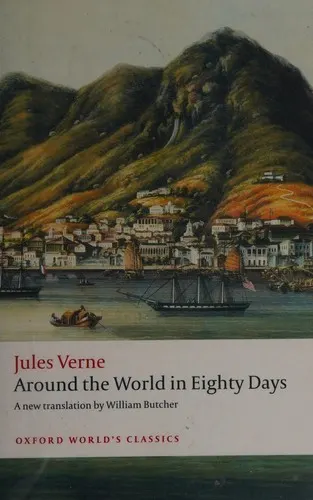
Books like Around the World in Eighty Days
What journey can again make the world feel immense yet conquerable, with every mishap testing whether nerve, ingenuity, and good humor can keep the traveler moving? These three novels recapture different parts of Verne’s exhilarating machinery.
If you liked Around the World in Eighty Days, you’ll love these
Not lookalikes — kindred books. Each one shares something essential with Around the World in Eighty Days, and we tell you exactly what.

Like Verne, Bengtsson turns travel into a chain of ordeals, reversals, lucky escapes, and encounters with a wider world. Young Röde Orm is swept into Viking adventure, and the novel proceeds with the irresistible momentum of a tale told by a supremely confident fireside storyteller.
Its special kinship with Around the World in Eighty Days lies in its deadpan tone: dangers that would overwhelm ordinary people become practical problems to be assessed and survived. Michael Meyer’s celebrated English translation preserves the dry wit and clean, muscular storytelling that have made this Swedish classic a cherished adventure novel. It is expansive without becoming ponderous, funny without puncturing its excitement—the rare long book that makes hundreds of pages feel like a regrettably short supply.
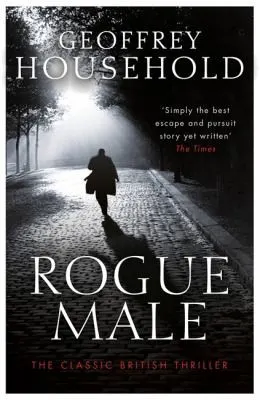
If Phileas Fogg’s composure under pressure was the chief pleasure, meet one of his hardier literary descendants. Household’s unnamed Englishman is discovered after secretly taking aim at a European dictator; from that opening predicament, the novel becomes an astonishingly concentrated test of self-command, improvisation, and endurance.
Rogue Male replaces Verne’s public wager with a private contest against pursuit, but it has the same clockwork narrative satisfaction: each move creates the next difficulty, and intelligence matters as much as courage. First published in 1939, it became a landmark of the modern chase thriller and influenced generations of espionage writers. Few novels make practical ingenuity this gripping—or leave such a strong impression that one capable person, refusing to panic, can alter the odds.
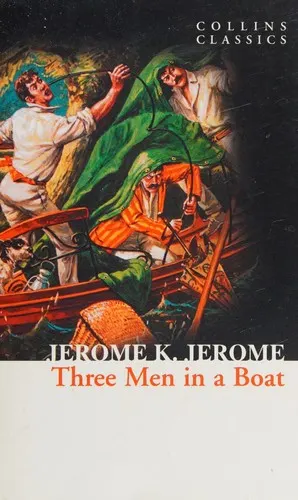
Suppose Passepartout’s comic disasters took over the itinerary. Three overconfident friends, convinced that they suffer from every illness they read about, prescribe themselves a boating holiday on the Thames. Planning, packing, cooking, navigation, and weather then expose the gulf between an orderly journey imagined and a journey actually lived.
Jerome shares Verne’s gift for extracting comedy from logistics and for giving an episodic trip irresistible forward movement. His timing remains startlingly fresh: digressions become comic set pieces, minor inconveniences acquire heroic proportions, and ordinary objects seem to conspire against human dignity. A phenomenon on publication and beloved ever since, Three Men in a Boat is one of those classics whose reputation can obscure how genuinely, immediately funny it is. Anyone who enjoyed Verne’s blend of timetable, mishap, and affectionate absurdity should not miss its comic masterpiece.