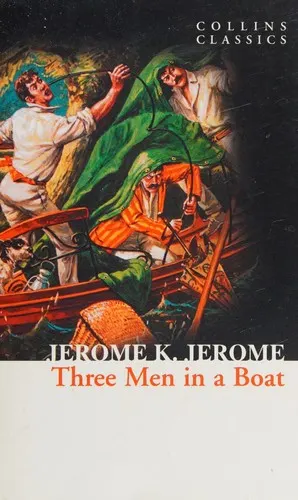
Books like Three Men in a Boat
The genius of Three Men in a Boat is that sandwiches, weather, wounded dignity, and a missing tin-opener become as momentous as any epic—especially when narrated by a man serenely blind to his own absurdity. These three novels share that comic alchemy.
If you liked Three Men in a Boat, you’ll love these
Not lookalikes — kindred books. Each one shares something essential with Three Men in a Boat, and we tell you exactly what.
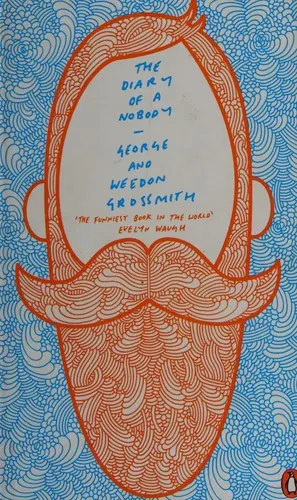
Charles Pooter records his ordinary suburban life with the solemnity of a statesman documenting a national crisis. Tradesmen disappoint him, jokes misfire, his son behaves improperly—and every small humiliation widens the gap between the dignified man Pooter imagines and the one we see.
Like Jerome, the Grossmith brothers make vanity lovable rather than vicious. The comedy lies in timing, phrasing, and the narrator’s magnificent lack of self-knowledge; beneath it is real affection for domestic comforts and fallible people. Pooter became so enduring a comic type that “Pooterish” entered the language. If Jerome’s mock-heroic complaints feel like the voice of an old friend, meeting Mr Pooter is essential.
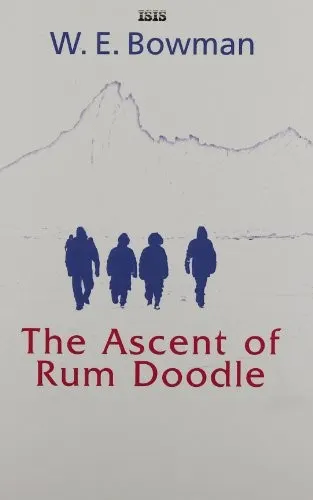
An expedition sets out to conquer one of the world’s highest mountains, led by a narrator whose confidence remains gloriously untouched by the evidence around him. The climbers possess impressive specialties, though not always in useful forms, and their cook’s alarming talents become impossible to ignore.
Bowman applies the deadpan logic of Three Men in a Boat to the heroic expedition narrative: preparation produces disorder, expertise creates catastrophe, and discomfort is reported with unshakable British composure. Yet the book never merely sneers at its adventurers; their incompetence binds them together. Long cherished as a cult classic, particularly by climbers, it is one of comedy’s great demonstrations that the worse a journey goes, the better the story becomes.
The title openly salutes Jerome, but the kinship runs deeper. Willis builds comedy through digression, logistical confusion, incompatible temperaments, and intelligent people trying to impose order on events that refuse to cooperate. Her exhausted time-travelling historian is sent to Victorian England, where a seemingly minor historical puzzle expands into an exquisitely engineered farce.
This is faster and more intricately plotted than Jerome, yet it has the same delight in eccentric companionship, romantic scenery, petty inconvenience, and conversations that wander into comic perfection. Winner of the Hugo Award, it is both a loving descendant of Three Men in a Boat and a major comic novel in its own right—the rare homage that creates an irresistible world of its own.