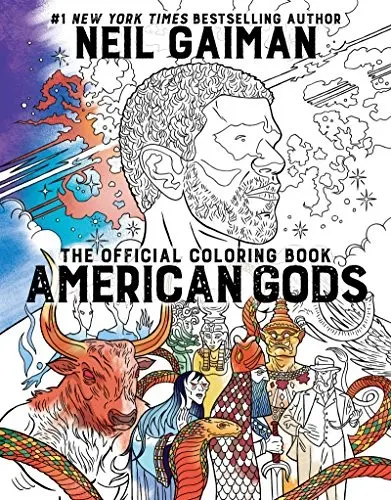
Books like American Gods
Old powers linger in these novels like strangers at a roadside diner: diminished, dangerous, and made poignant by their contact with ordinary human lives.
If you liked American Gods, you’ll love these
Not lookalikes — kindred books. Each one shares something essential with American Gods, and we tell you exactly what.
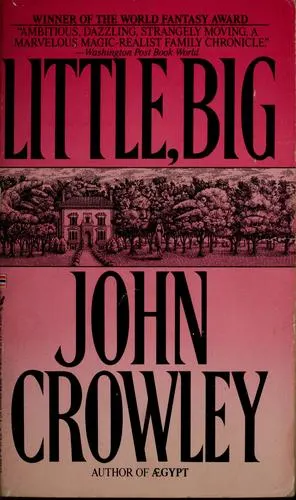
Crowley makes the American landscape feel built over an older, half-glimpsed reality. At the strange country house called Edgewood, one family’s marriages, children, and private legends become entangled with a vast story they can never see whole.
Like American Gods, this is fantasy steeped in wonder and melancholy rather than mere spectacle. Crowley’s intricate prose rewards surrender: coincidences acquire mythic weight, family stories become cosmology, and the everyday seems one step from enchantment. Winner of the World Fantasy Award and cherished as a modern fantasy masterpiece, Little, Big is the rarer book—the kind readers spend years pressing into other readers’ hands.
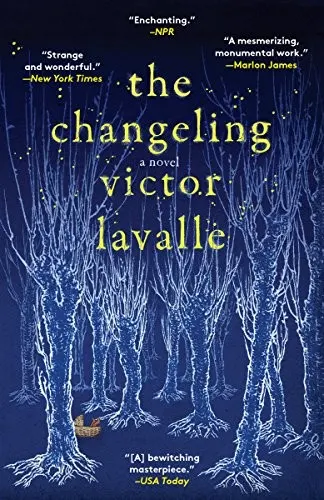
Apollo Kagwa is a New York rare-book dealer, a husband, and a new father who believes he understands the shape of his life. Then the assurances of parenthood begin to give way beneath him.
LaValle shares Gaiman’s gift for discovering that folklore has not vanished; it has adapted to apartment blocks, smartphones, and the blind spots of modern society. But his World Fantasy Award-winning novel has its own fierce emotional engine: fatherhood, inherited wounds, and the question of whose fears are dismissed as impossible. It begins with intimate realism, tightens into a nightmare, and opens onto something wondrous and terrible.
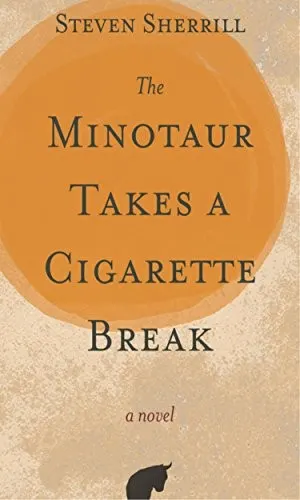
Here the Minotaur is not guarding a labyrinth. He is five thousand years old, living in a trailer park, and working as a line cook in the American South. His horns snag on things; his tongue cannot form human speech; loneliness has outlasted kingdoms.
This quiet cult novel isolates one of American Gods’ most affecting ideas: immortality may be less a blessing than a long estrangement from the world. Sherrill replaces divine combat with kitchen burns, broken machinery, awkward desire, and the fragile possibility of companionship. The result is funny, tactile, and devastatingly humane—a mythic novel whose greatest marvel is making an ancient monster’s solitude feel exactly like our own.