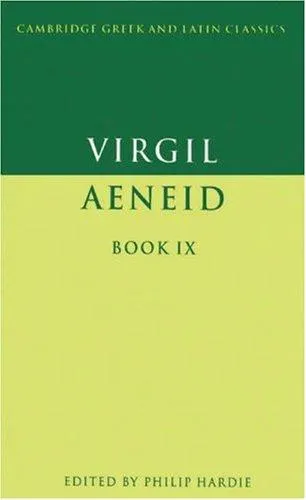
Books like Aeneid
The Aeneid and Hermann Broch’s The Death of Virgil stand at opposite ends of an imperial poem’s life: one makes Rome’s destiny sing, while the other asks what that song costs its dying maker.
If you liked Aeneid, you’ll love these
Not lookalikes — kindred books. Each one shares something essential with Aeneid, and we tell you exactly what.
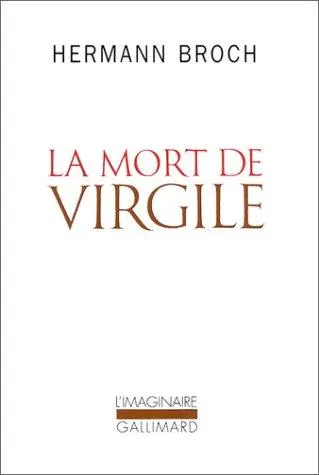
Broch’s modernist masterpiece imagines Virgil’s final hours as he begins to doubt the poem that has secured his immortality. Has the Aeneid revealed truth, or merely made power beautiful? Should art serve an empire built on suffering?
The novel matches Virgil’s grandeur with incantatory, wave-like prose and turns the epic’s tensions—duty against desire, history against individual loss—back upon its author. Widely regarded as one of the great twentieth-century novels, it is demanding but singular: after reading it, the Aeneid’s triumphs and sorrows become harder to separate.
Le Guin takes the nearly silent Latin princess whom Aeneas is destined to marry and gives her a lucid, searching consciousness. The result is not simply a retelling but a profound conversation with Virgil about fate, authorship, and the lives an epic must compress to create national destiny.
Le Guin’s restrained, luminous prose preserves the Aeneid’s numinous atmosphere—omens, sacred landscapes, the pressure of an already-written future—while making domestic and political choices feel as consequential as battle. Winner of the Locus Award, Lavinia is among the finest late works of a beloved novelist, and its tenderness can permanently enlarge the poem it answers.
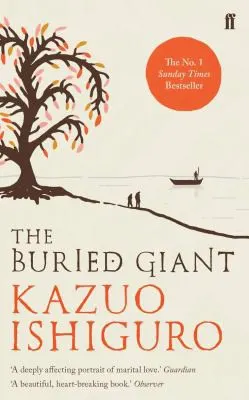
Ishiguro begins with an elderly couple crossing a mist-shrouded Britain in search of their son. Their intimate journey gradually opens onto a national question worthy of Virgil: can a people build peace without burying the violence on which that peace depends?
Like the Aeneid, the novel gives wandering the weight of destiny and makes public order inseparable from private grief. Yet Ishiguro’s characteristic restraint keeps every heroic abstraction tethered to love, memory, and mortality. This haunting late novel by the Nobel laureate offers no easy celebration of reconciliation; its final pages leave the emotional cost of history echoing long after the journey ends.