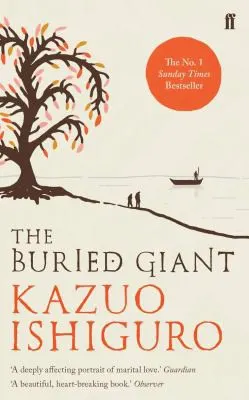
Books like The Buried Giant
The Buried Giant knows that forgetting can be both a mercy between two people and a crime when practiced by a nation. These novels share its faith in fantasy as a way to expose the most intimate costs of memory.
If you liked The Buried Giant, you’ll love these
Not lookalikes — kindred books. Each one shares something essential with The Buried Giant, and we tell you exactly what.
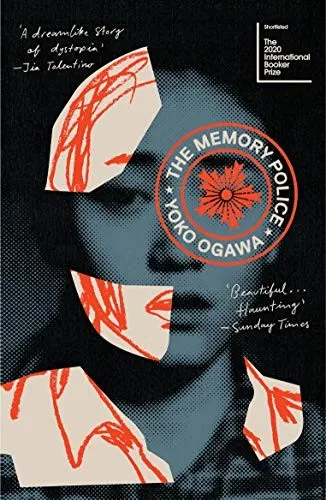
On an unnamed island, objects disappear—and soon most inhabitants can no longer remember what those objects meant. The authorities enforce each erasure, while a novelist shelters someone who remains able to remember.
Ogawa’s quiet, lucid prose makes oblivion feel ordinary before revealing its terror. Like Ishiguro, she is fascinated by accommodation: the small compromises through which people accept an intolerable world. Yet the novel’s deepest concern is tender rather than schematic—whether one person can preserve another through attention, language and love. A finalist for the International Booker Prize, it has become a modern classic of political unease. Few novels make absence feel so physical.
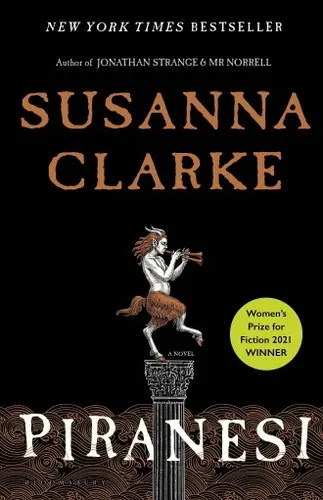
Piranesi lives in an immense House of halls, statues and ocean tides, recording its wonders with meticulous devotion. His world is beautiful, coherent—and shadowed by gaps he does not know how to question.
The kinship with The Buried Giant lies in the narrator’s gentleness. Clarke builds suspense around missing knowledge, but the book is never merely a puzzle: what matters is the dignity of a person whose innocence survives manipulation. Her prose combines mythic grandeur with charming exactness, making the impossible House feel habitable and beloved. Winner of the Women’s Prize, Piranesi inspires unusual devotion because its strangeness gives way to something piercingly humane.
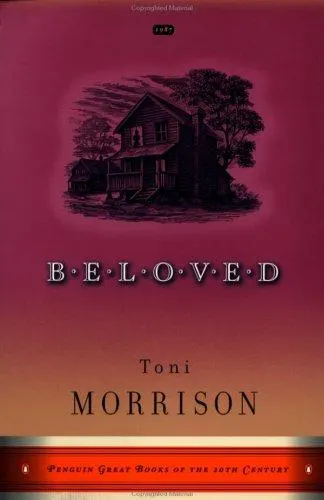
Morrison begins with a house haunted by a furious baby ghost and a mother, Sethe, whose escape from slavery has not freed her from its past. Here memory is neither simply healing nor simply destructive: it is an obligation, a wound and a force that can possess the living.
Where Ishiguro uses mist and legend to ask what a country chooses not to remember, Morrison makes suppressed history enter the room and demand recognition. Her language is more lyrical and incantatory, but she shares his refusal of easy moral judgment; love itself can become terrifying under unbearable conditions. The Pulitzer Prize only hints at Beloved’s stature. It is one of the essential novels about historical violence because it never lets history become abstract—it remains lodged in bodies, homes and acts of love.