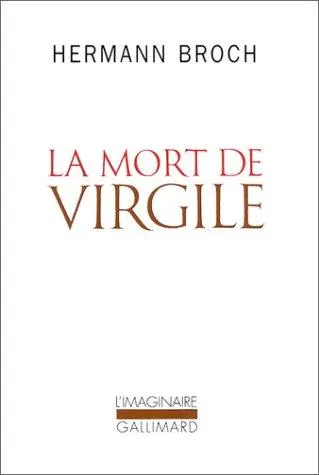
Books like The Death of Virgil
Can beauty remain innocent when it is made inside a corrupt world—and can an artist renounce the work without betraying something equally sacred? These three novels pursue Broch’s question through mystical terror, historical catastrophe, and metamorphosis.
If you liked The Death of Virgil, you’ll love these
Not lookalikes — kindred books. Each one shares something essential with The Death of Virgil, and we tell you exactly what.
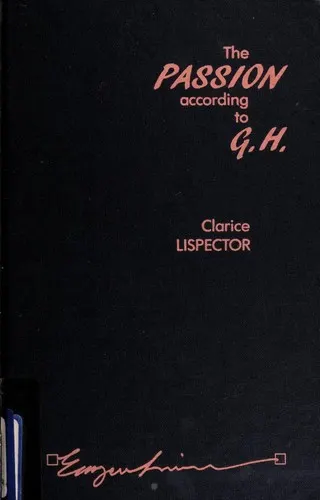
A woman enters a servant’s room, encounters something abject, and finds ordinary consciousness beginning to disintegrate. From that stark opening, Lispector creates a metaphysical ordeal in which language reaches toward experiences that language itself cannot contain.
Like Broch, she turns spiritual crisis into prose whose repetitions, paradoxes, and minute shifts of perception are the real drama. G.H.’s stripped-bare encounter with existence has the same frightening intensity as Virgil’s passage beyond identity, beauty, and rational thought. Often regarded as Lispector’s masterpiece, this short novel offers one of modern fiction’s purest—and most unnerving—attempts to write what lies beyond the self.
Serenus Zeitblom begins writing the life of his brilliant composer friend Adrian Leverkühn while Germany collapses around him. Mann binds those two stories together until artistic ambition and national catastrophe become impossible to consider separately.
A reader haunted by Virgil’s suspicion that great art may serve death and power will recognize the pressure here immediately. Yet Mann’s method is dramatically different from Broch’s incantatory inwardness: learned comedy, musical argument, affectionate biography, and historical judgment accumulate into a devastating inquiry into genius. One of the defining novels about art in the age of fascism, Doctor Faustus makes aesthetic greatness feel at once miraculous, compromised, and morally dangerous.
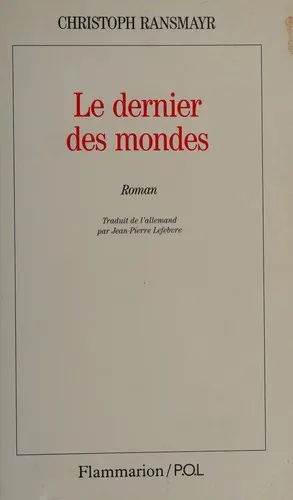
Cotta travels to the remote Black Sea town of Tomi searching for the exiled Ovid and the lost manuscript of the Metamorphoses. What he finds is a landscape in which the boundary between the poet’s world and the material world has begun to fail.
Ransmayr shares Broch’s deepest use of antiquity: Rome is not decorative history but a way to ask whether poetry can resist empire, preserve the vanished, or transform reality after its maker is gone. His prose is sensuous and severe—full of rust, stone, weather, abandoned machinery, and metamorphosis—and the novel gradually acquires the inevitability of myth. The book that established Ransmayr internationally, it is a compact postwar masterpiece about literature escaping both its author and the state that tried to silence him.